Experience the Best
Unforgettable time in Hong Kong
Must Try!!!
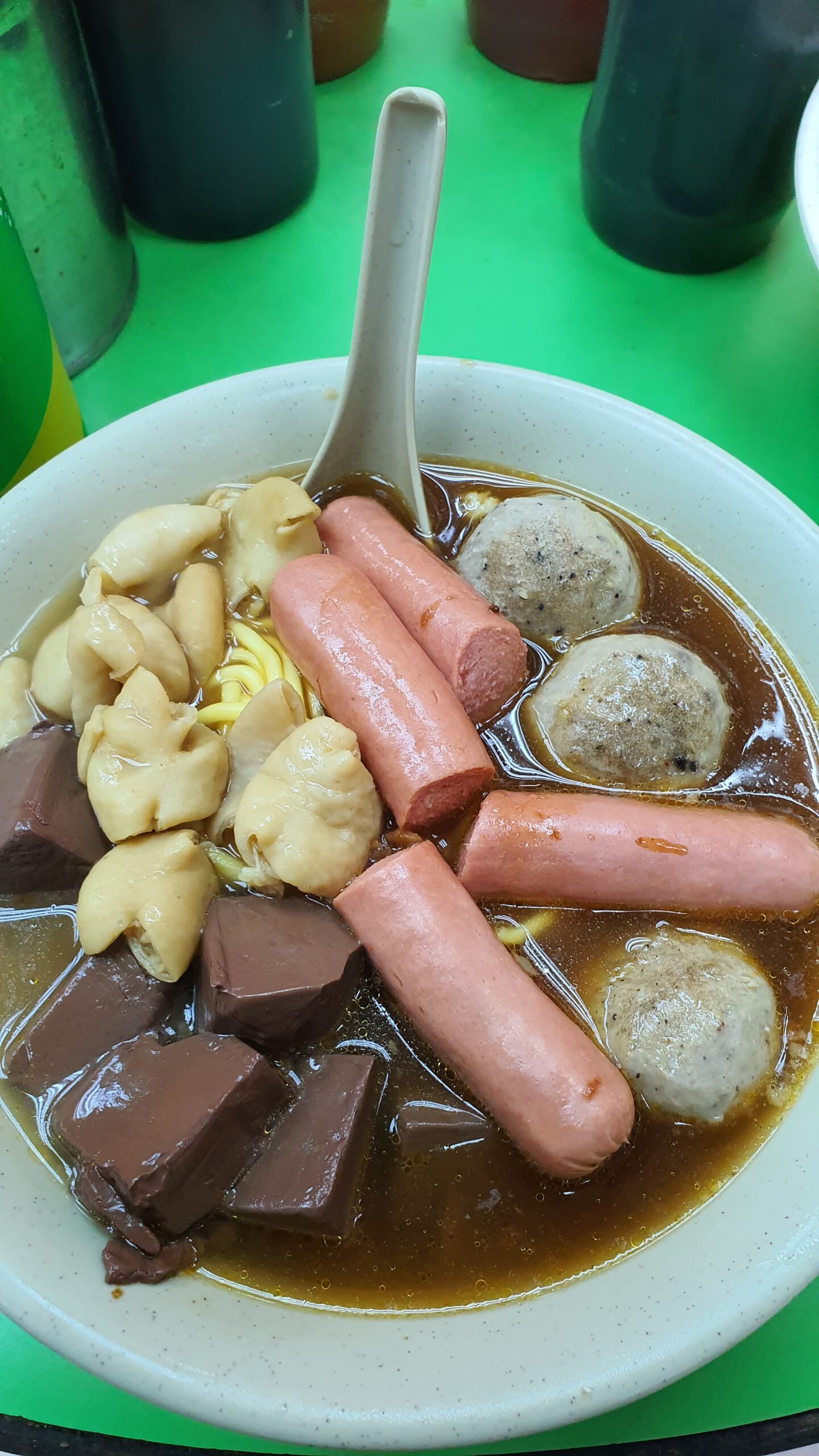
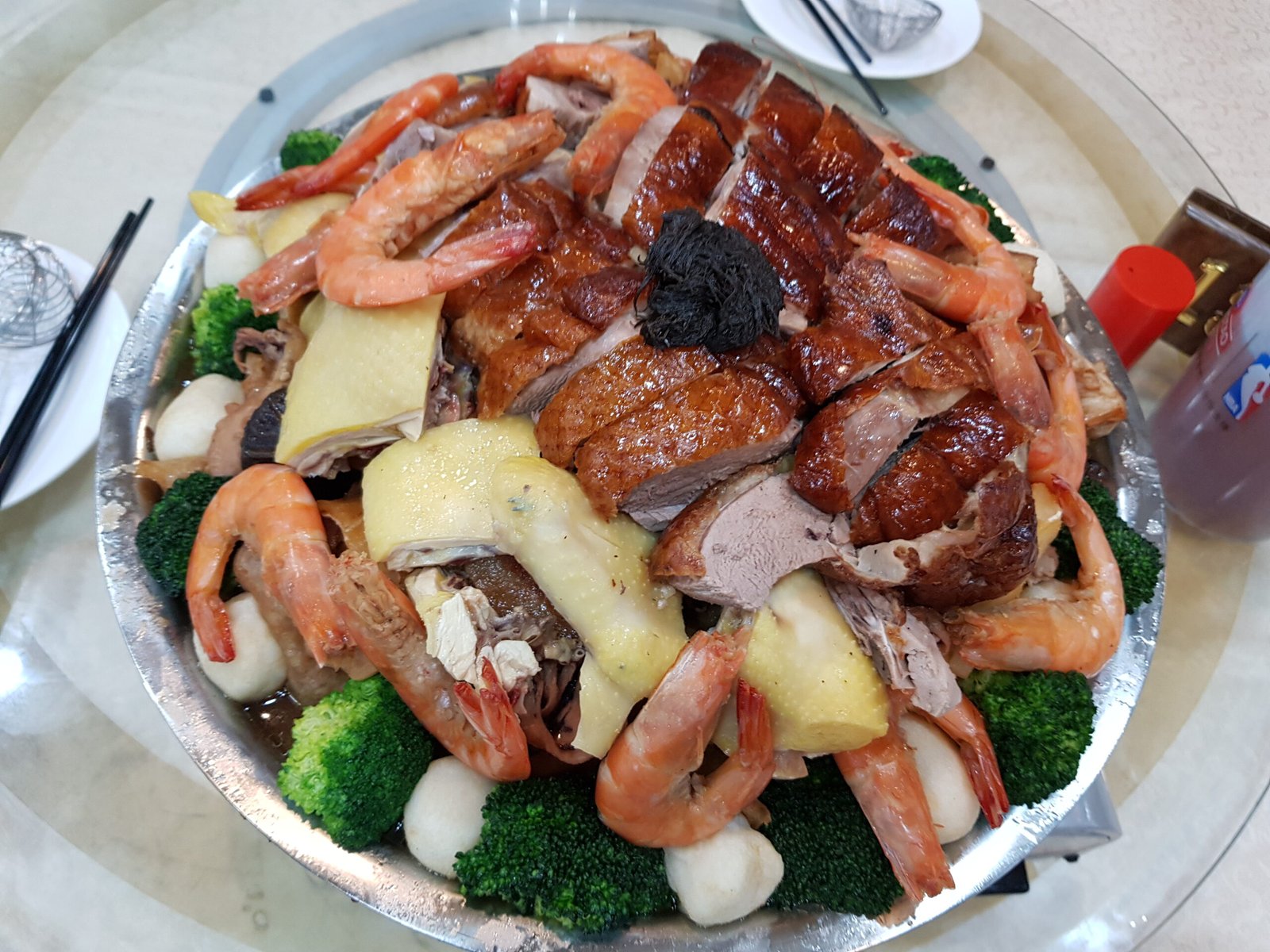
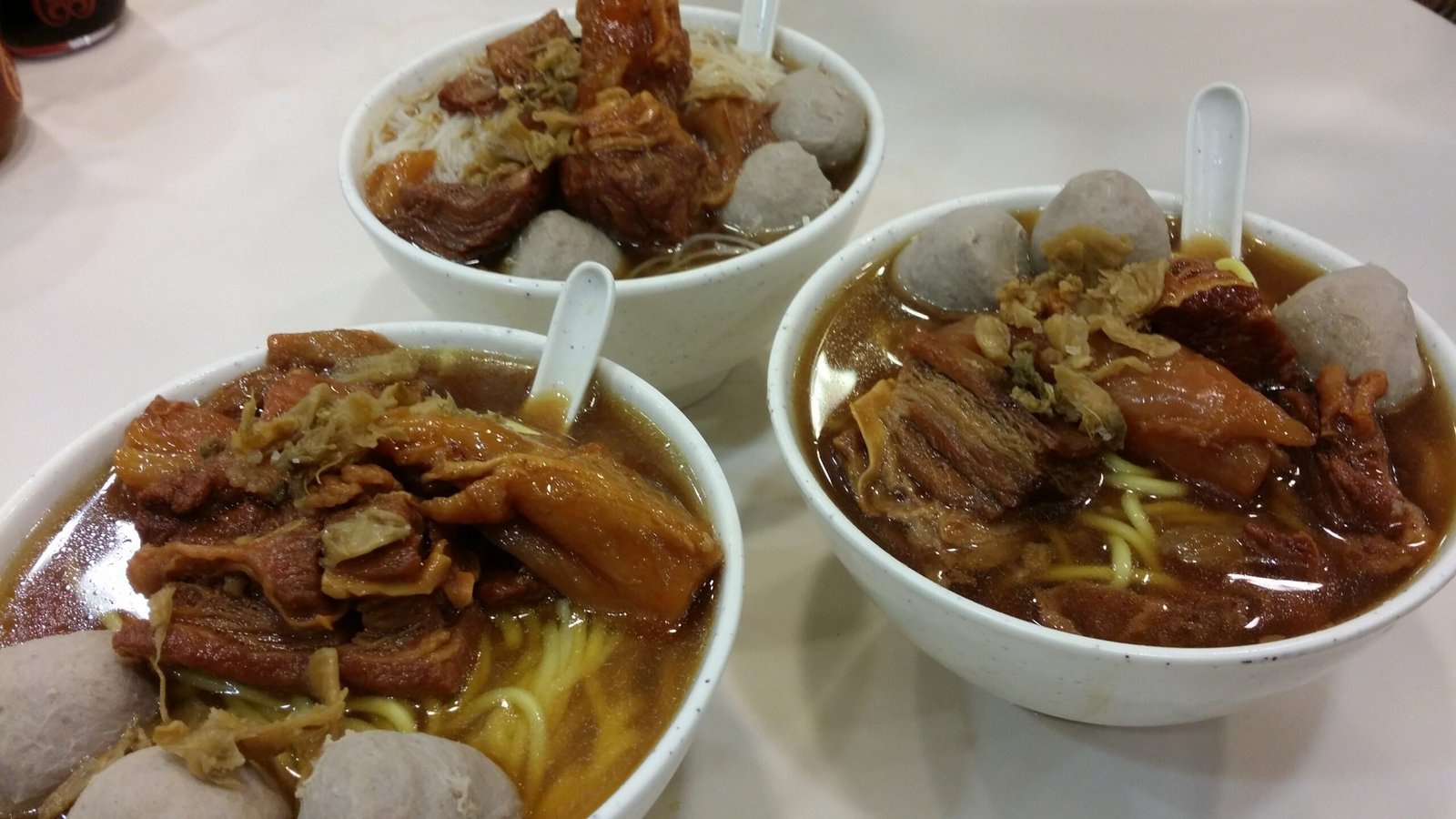
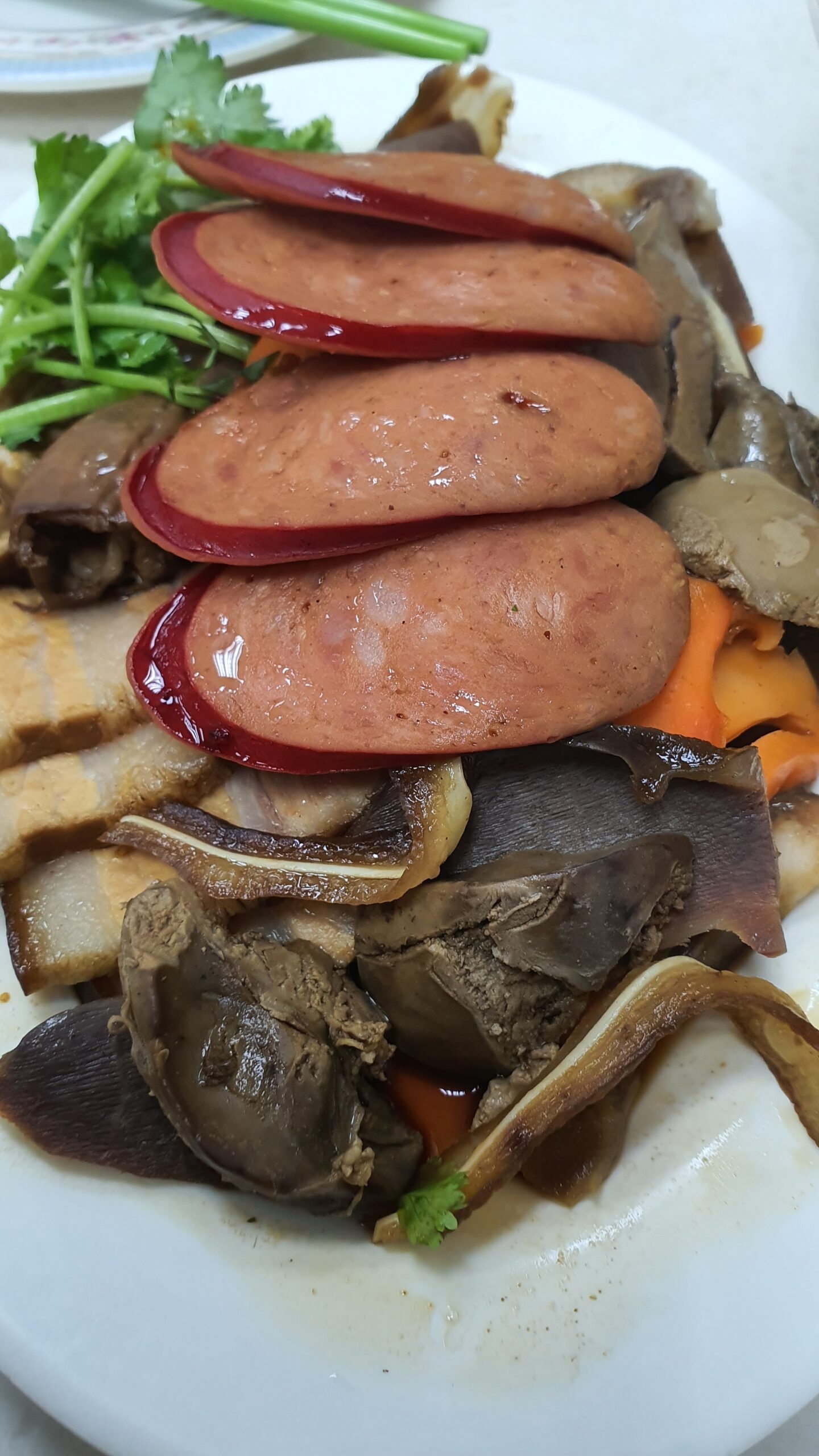
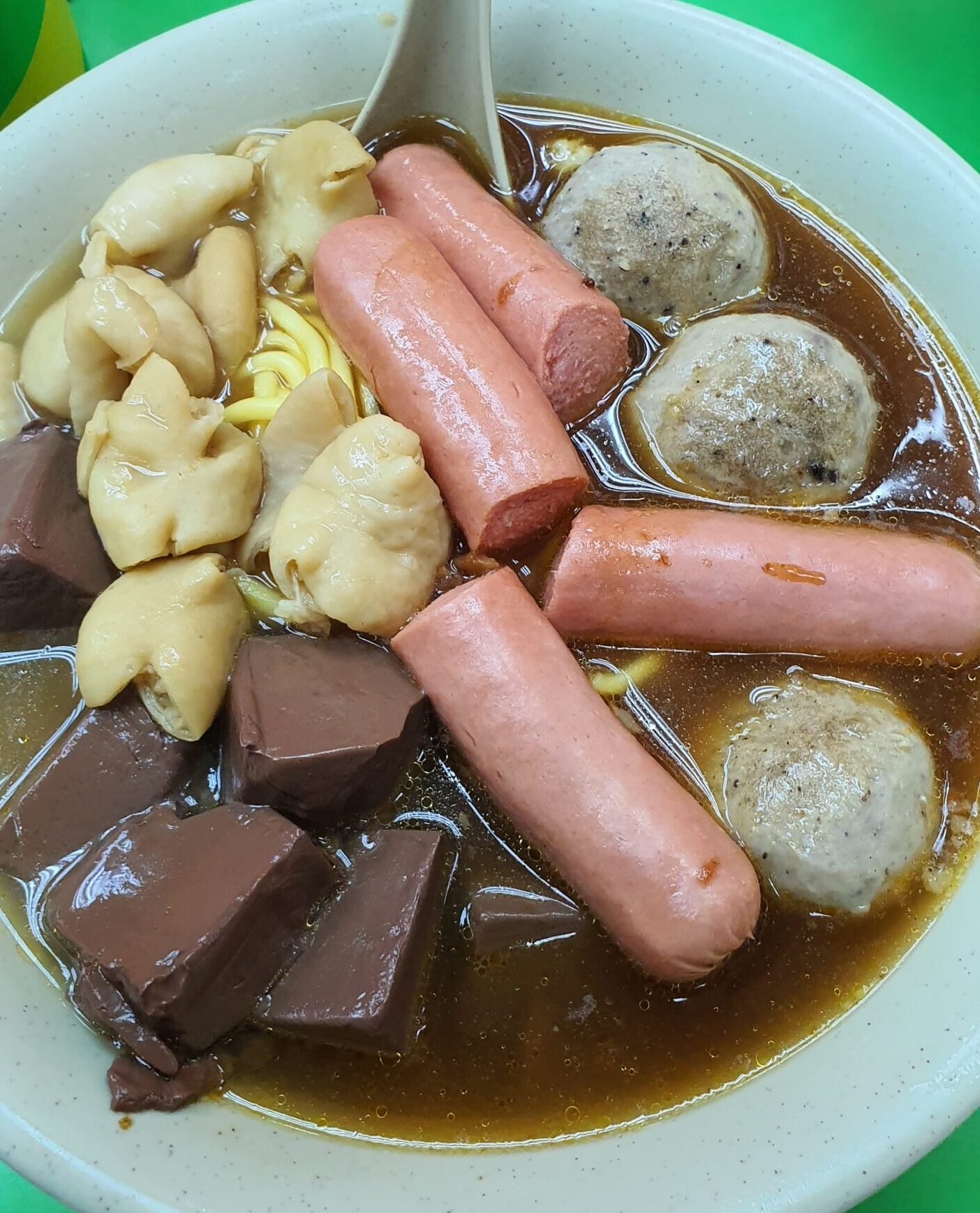
車仔麵 (Cart Noodles)
Cart noodles are a famous Hong Kong street food that started in the 1950s with vendors selling from wooden carts. You can fully customise your bowl by picking your favourite noodles, soup, and many different toppings. Popular choices include curry fish balls, beef brisket, and various vegetables. It is a very popular comfort food that offers a quick, delicious, and authentic taste of local life.
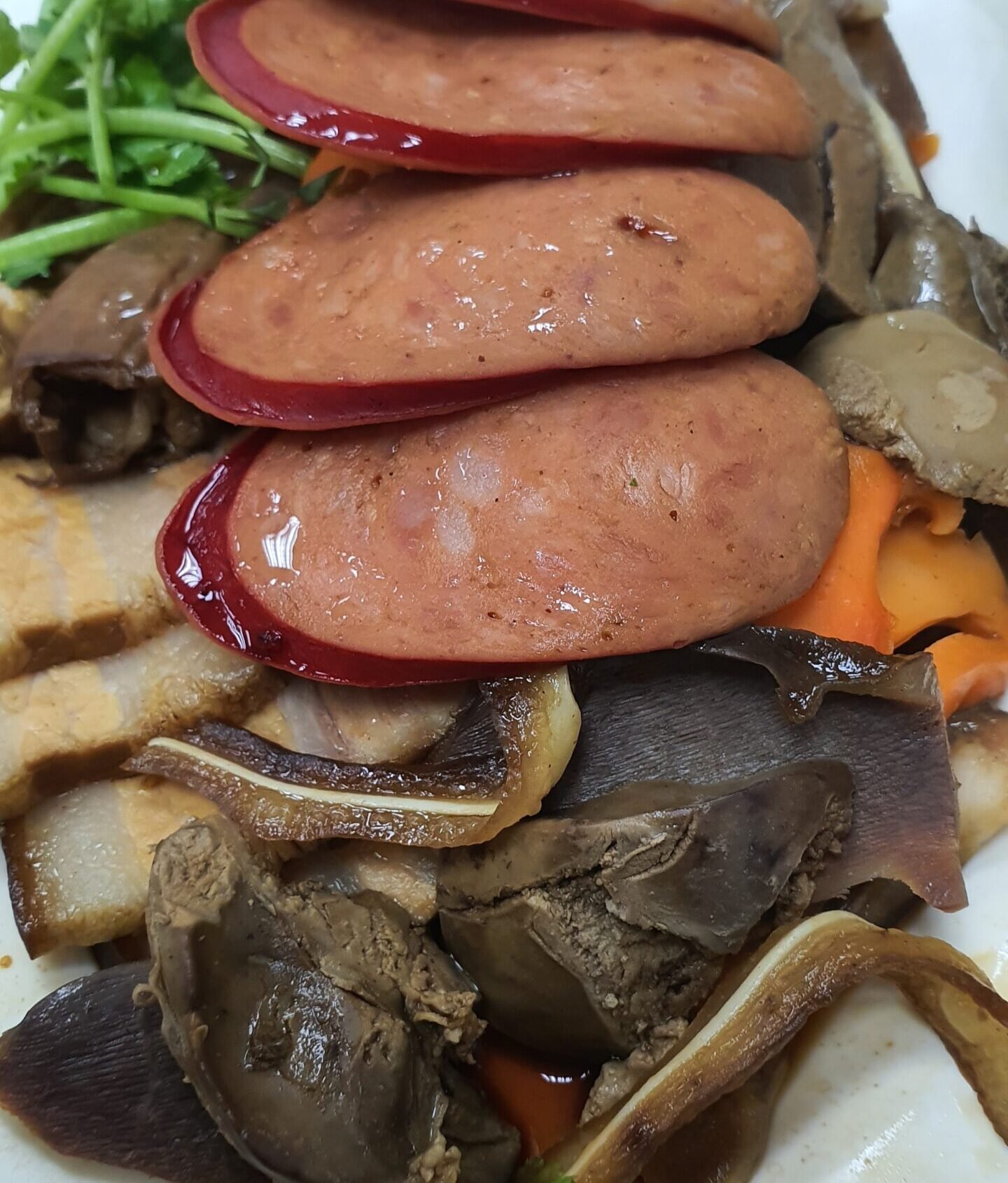
打冷 (Daa Laang – Teochew Porridge)
In Singapore and Malaysia, this style of dining is commonly known as Teochew porridge, but Hong Kong’s “Daa Laang” (打冷) offers a much more robust experience. While the plain rice porridge remains a staple, the focus here is on a wide array of cold and hot side dishes displayed openly to tempt diners. You will find signature specialities like succulent braised goose, seasoned meats, and various offal, all slow-cooked in a rich master brine. The spread also features chilled steamed fish and traditional Teochew delicacies, often topped off with a bowl of flavourful oyster porridge.
盆菜 (Pun Choi – One pot dishes)
Poon choi is a traditional big bowl feast that comes from the historic walled villages of Hong Kong. It is a unique dish where many premium ingredients, like prawns, chicken, and dried scallops, are carefully layered in a single large basin. Families and friends eat from the same bowl to symbolise unity and good fortune during special festivals. This hearty meal offers a true taste of local heritage and is a must-try for those wanting an authentic communal dining experience.
元朗牛腩/牛丸麵 (Yuen Long Beef Noodles)
Yuen Long is famous for its traditional beef noodles, which are a must-try for any food lover visiting the New Territories. The dish usually features tender beef brisket or beef balls served in a rich, aromatic broth that has been simmered for hours. Many local shops use secret family recipes and traditional methods, ensuring the meat is perfectly soft and full of flavour. It is a simple but hearty meal that perfectly represents the authentic, old-fashioned taste of Hong Kong.
GEtting Around
Getting around Hong Kong is easy; even if you accidentally hop on the wrong bus, you won’t find yourself in an unfamiliar desert. The total area of Hong Kong is just about 1,114 square kilometres, so the city isn’t too vast. Plus, you won’t be bored by long stretches of farmland and emptiness, as the usable land in Hong Kong is primarily dedicated to various types of development. for more information, go to https://www.td.gov.hk/en/home/index.html
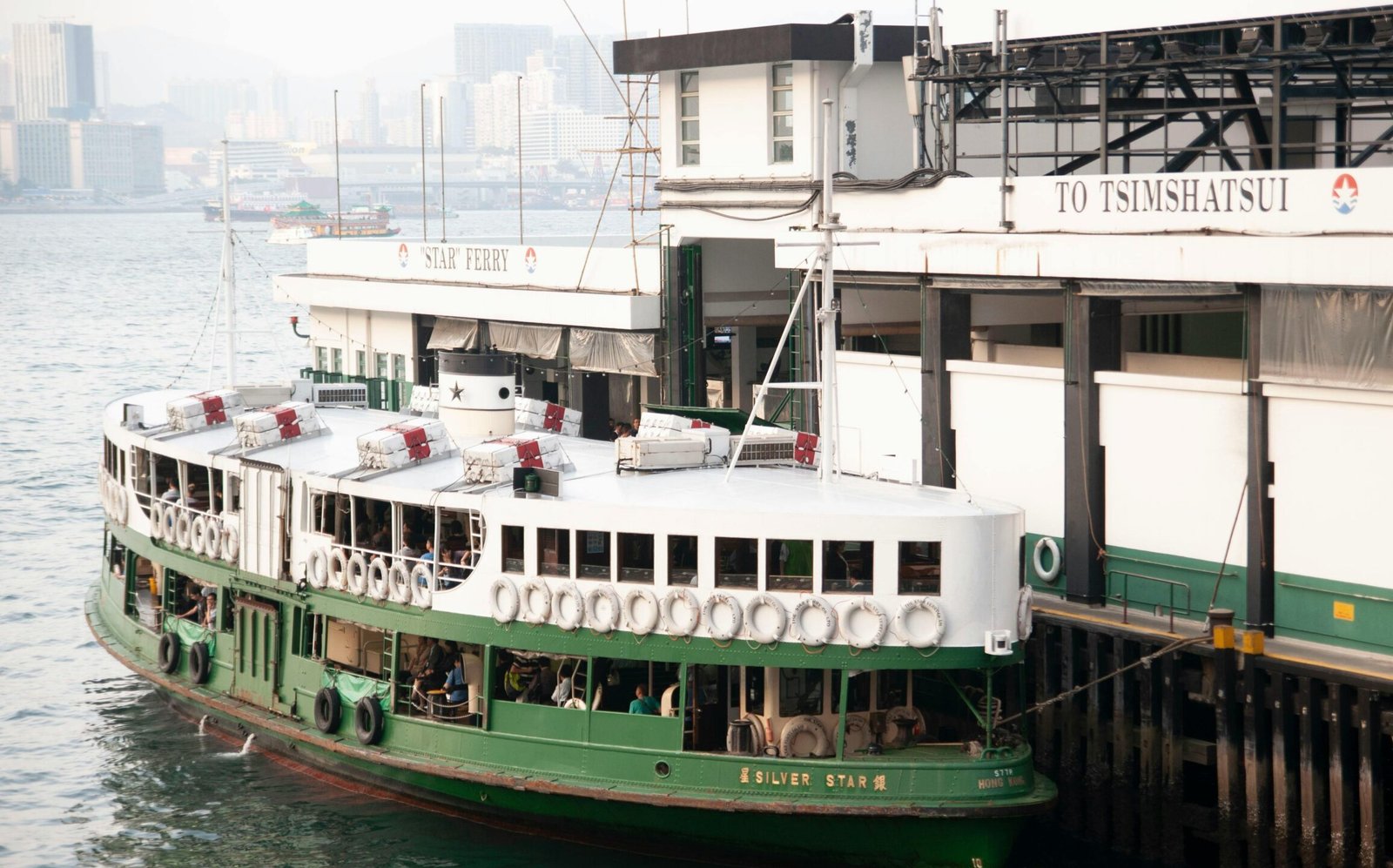
The Iconic Crossing: Hong Kong’s Star Ferry
The Star Ferry is one of the most famous and affordable ways to travel between Hong Kong Island and Kowloon. Since it began in 1888, it has carried millions of passengers across Victoria Harbour, offering a short but stunning journey through the heart of the city.
A World-Class View
-
Breathtaking Scenery: For a very small fare, passengers get a front-row seat to one of the world’s most beautiful skylines. The green and white double-decker boats provide an unbeatable view of the towering skyscrapers and the bustling harbour.
-
The Upper and Lower Decks: You can choose to sit on the upper deck for a better view or the lower deck to be closer to the water. Both levels offer a refreshing sea breeze and a unique perspective of the city.
History and Tradition
-
A Living Heritage: While Hong Kong has modern tunnels and trains crossing the water, the Star Ferry remains a beloved tradition. The wooden seats and the classic design of the boats make it feel like a step back in time.
-
A Simple Journey: The most popular route is between Central and Tsim Sha Tsui. It remains a favourite for daily commuters who want a moment of peace and tourists looking for the perfect photograph.
Gateways to the Islands
Beyond the famous harbour crossing, the ferry piers in Central serve as the main starting point for exploring Hong Kong’s many outlying islands.
-
Island Hopping: Large, comfortable ferries depart regularly from the nearby piers to islands like Lantau, Lamma, and Cheung Chau.
-
A Different Side of Life: These journeys take you away from the city crowds to quiet fishing villages, beautiful beaches, and seafood restaurants. Whether you want to see the Big Buddha or go for a coastal hike, the ferry system makes it easy to reach these peaceful island escapes.
The Star Ferry and the island ferry network are more than just transport; they are a symbol of Hong Kong’s identity. No visit to the city is complete without a trip across the water to see the skyline or explore the natural beauty of the islands.
The Backbone of the City: Hong Kong’s MTR
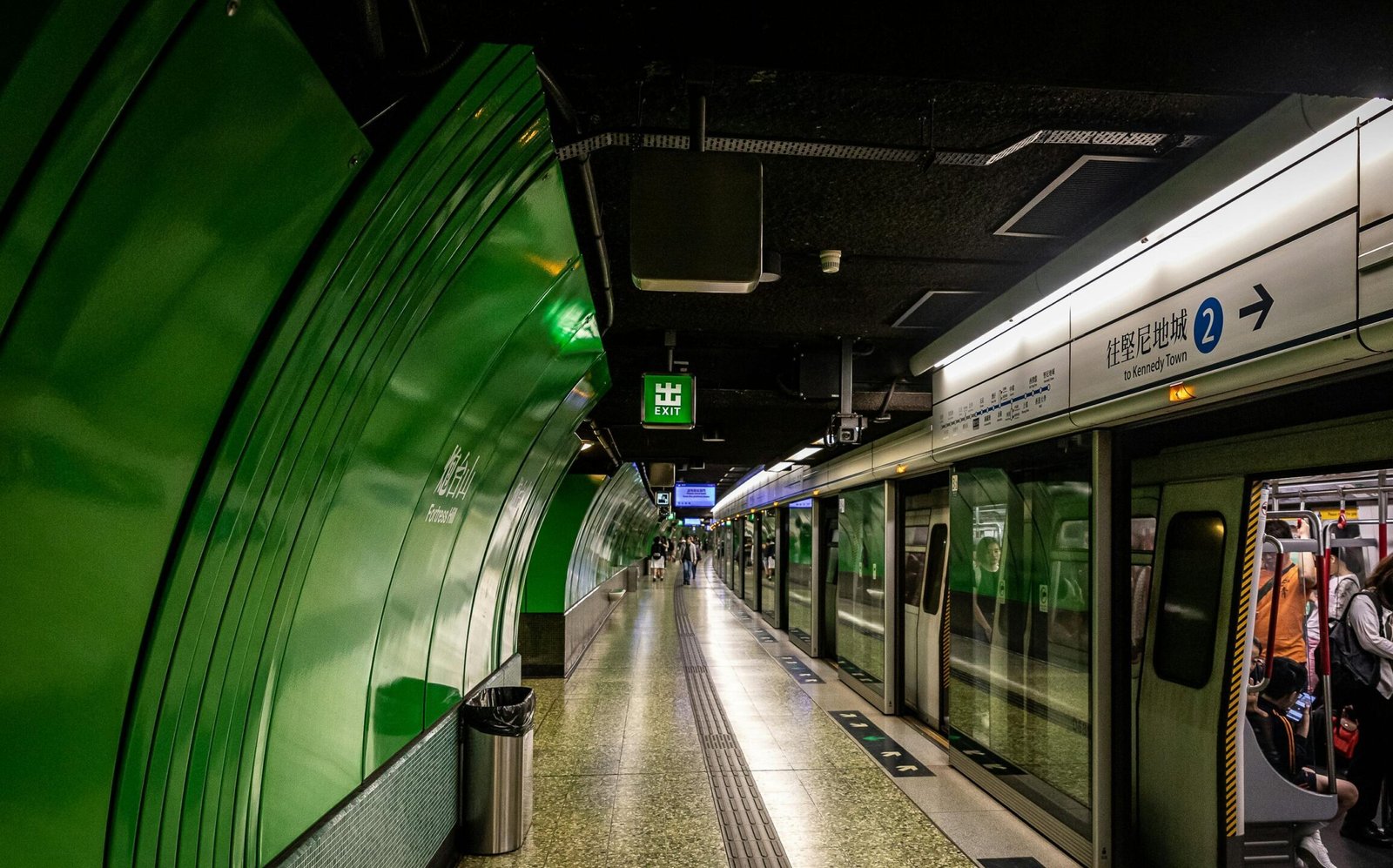
The Mass Transit Railway (MTR) is the heartbeat of Hong Kong’s transport system and is widely regarded as one of the best underground networks in the world. Since it first opened in 1979, it has expanded to connect Hong Kong Island, Kowloon, and the New Territories, making it possible to travel across the entire territory with incredible speed.
Efficiency and Connection
-
Total Reliability: The MTR is famous for its punctuality, with trains arriving every few minutes. It is so efficient that it carries millions of passengers every day, yet it remains clean, safe, and easy to navigate.
-
A Seamless Network: The system covers almost all major districts, shopping hubs, and even the airport. Many stations are built directly underneath large shopping malls and residential towers, allowing people to go from home to work without ever stepping outside.
A Modern Experience
-
Ease of Use: Every station is clearly signposted in both English and Chinese. To travel, most people use an Octopus card or mobile payment, simply tapping at the gates to enter and exit.
-
Air-Conditioned Comfort: All stations and trains are fully air-conditioned, providing a welcome escape from the city’s humidity. Many stations also feature free Wi-Fi and digital maps to help visitors find their way.
More Than Just a Train
For the modern traveller, the MTR is the fastest way to explore Hong Kong. It connects the historic charm of old neighbourhoods with the gleaming skyscrapers of the financial districts. Whether you are heading to a business meeting in Central or going for a day trip to the hills of Lantau Island, the MTR is the reliable thread that holds the city together.
The Lifeline of the City: Hong Kong’s Extensive Bus Network
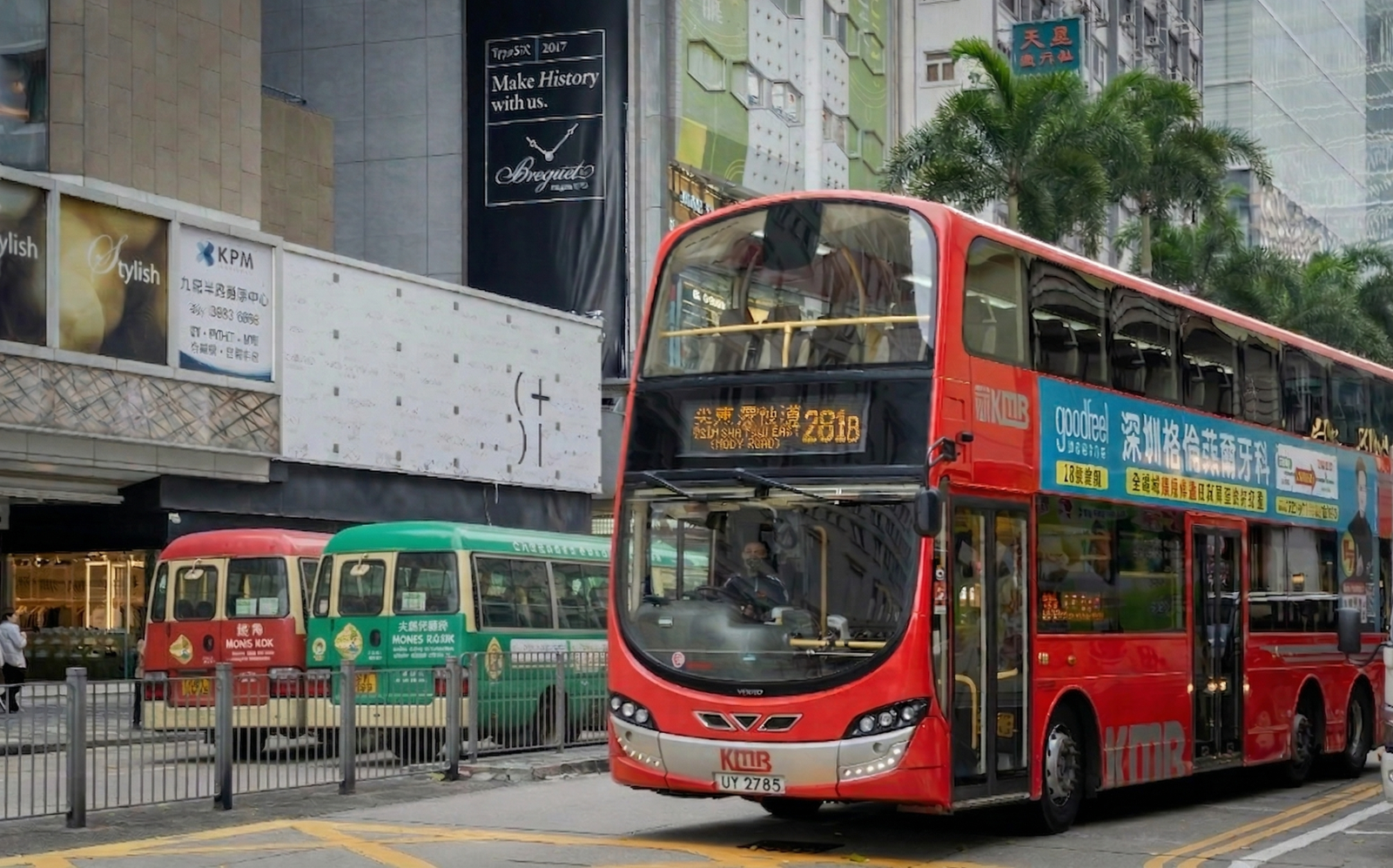
While the trams offer a nostalgic journey, the true workhorse of Hong Kong’s transport is its incredible bus network. Often cited as one of the most efficient in the world, the bus system is remarkably convenient, reaching almost every corner of the territory—from the densest urban canyons of Kowloon to the remotest hiking trails in the New Territories.
The Double-Decker Giants
The most visible legacy of British influence on Hong Kong’s roads is the double-decker bus. Much like London, Hong Kong relies on these towering vehicles to move massive numbers of people efficiently.
-
Comprehensive Coverage: Thousands of routes criss-cross the city. Whether you are heading to the airport, a beach on the south side of the island, or a hilltop in the New Territories, there is almost certainly a bus that goes there.
-
Modern Comfort: Most buses are fully air-conditioned and provide real-time arrival information, making them a preferred choice for both daily commuters and visitors.
The Minibus: Hong Kong’s Unique Speedsters
Beyond the large buses, Hong Kong has a unique system of Public Light Buses, commonly known as minibuses. These smaller vehicles carry up to 19 passengers and are essential for reaching steep hillsides or narrow streets where the larger double-deckers cannot fit. They are divided into two distinct types:
1. The Green Minibuses
-
Structure: These operate on fixed routes with set schedules and fares. They function much like a standard bus service but on a smaller scale.
-
Convenience: They are the primary way for locals to reach residential estates and smaller villages from the main train stations.
2. The Red Minibuses
-
The Flexible Option: These are a true Hong Kong original. They do not always have fixed routes or schedules. Instead, they operate more like a shared taxi, with drivers adjusting their path based on traffic or where passengers want to go.
-
An Authentic Experience: Riding a red minibus is a quintessential local experience. Often, there are no bells to ring; passengers simply call out to the driver when they want to get off at a particular landmark or street corner.
A Connected City
Together, these different types of buses create a transport web that leaves no stone unturned. For a visitor, they offer the ultimate convenience, ensuring that even the most hidden traditional restaurant or quiet coastal village is only a short, affordable ride away. In Hong Kong, you are never truly stranded.
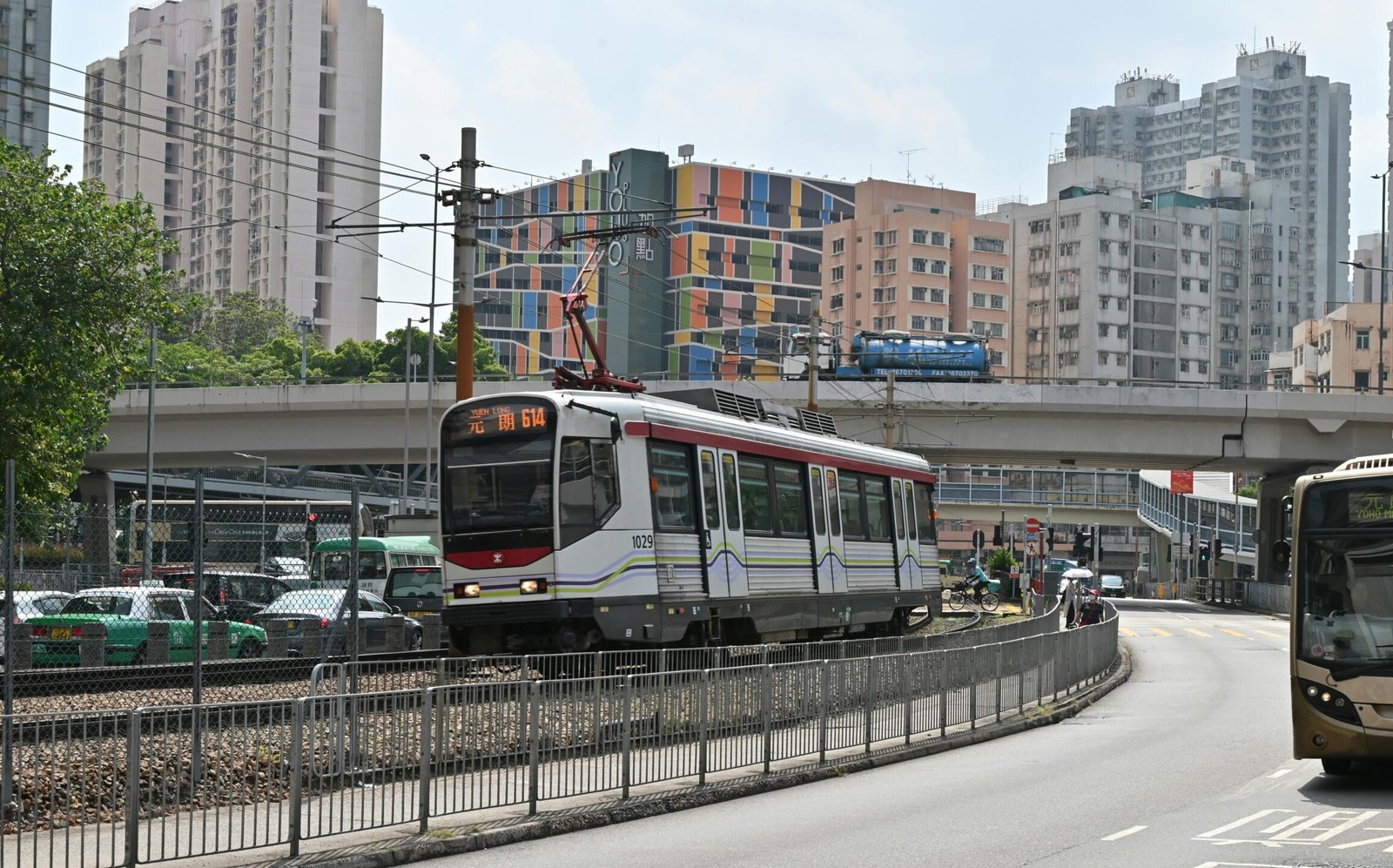
The Modern Pulse of the Northwest: Hong Kong’s Light Rail
While the historic trams on Hong Kong Island offer a window into the early 20th century, the Light Rail system in Yuen Long and Tuen Mun represents a later chapter of infrastructure. Opened in 1988, this network was designed to connect the growing “New Towns” of the Northwest, creating a suburban landscape that feels distinctly different from the skyscrapers of the city centre.
A Destination for Authentic Discovery
In recent years, this region has transformed from a quiet residential area into a major destination for Mainland Chinese tourists. Entering through nearby border crossings, thousands of visitors arrive daily, drawn by a desire to experience “authentic Hong Kong” life.
-
The Aesthetic Appeal: The Light Rail has become a sensation for photography. Visitors frequent the open-air platforms—particularly those with views of the mountains or the sunset—to capture the “retro-modern” look of the trains winding through the dense housing estates.
-
The Daily Commute: For many, the charm lies in the lived-in atmosphere. Unlike the polished tourist districts, the Light Rail offers a glimpse into the genuine daily rhythm of the local community.
The Culinary Heart of the New Territories
The real draw for many is the authentic local cuisine. Yuen Long, in particular, is often seen as the culinary soul of the region, offering traditional flavours that remain unchanged by modern trends.
-
Traditional Bakeries: The area is famous for its “Wife Cakes” and old-fashioned pastries, handmade using recipes that have been passed down through generations.
-
Street Food Culture: Bustling food streets are a pilgrimage site for hungry travellers. Here, one can find legendary shaved ice, spicy garlic chicken wings, and satay beef noodles served in humble, lively stalls.
-
Heritage Flavours: Reflecting its history as a market town, the area still serves incredible “walled-village” big bowl feasts and fresh seafood, offering a taste of the rural heritage that existed long before the high-rises.
A Living Connection
The Light Rail is more than just a way to get around; it is a bridge between the planning of the past and the vibrant energy of the present. For the visitor, it offers a chance to see a side of Hong Kong that is energetic, delicious, and unapologetically local.
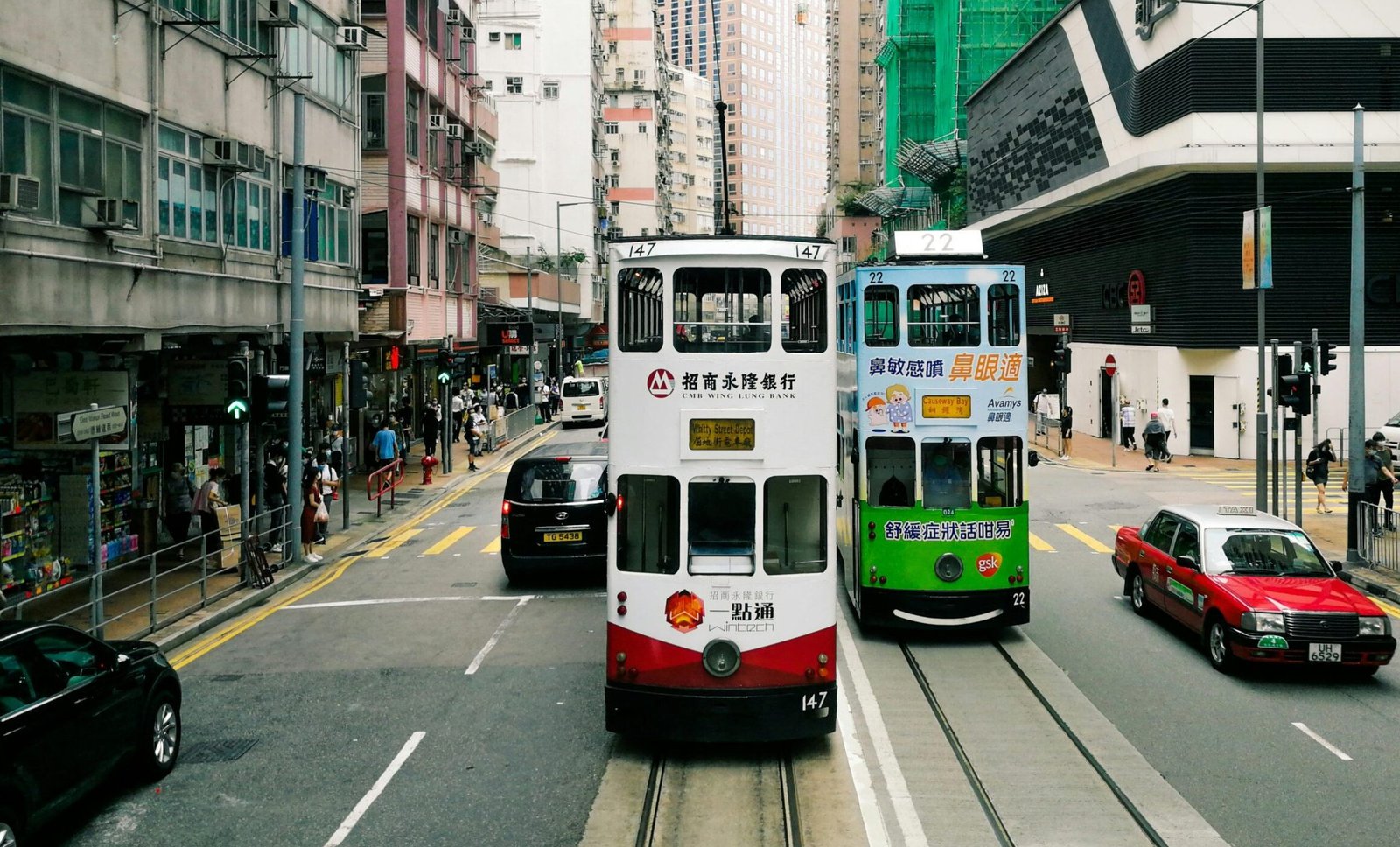
The Last Echo of the Empire: Hong Kong’s Living Legend
In the late 19th and early 20th centuries, the rhythmic clang of the tram was the heartbeat of the British Empire’s most vital Asian outposts. From the humid streets of Singapore and the colonial boulevards of George Town, Penang, to the bustling docks of Bombay and Rangoon, the electric tram was the ultimate symbol of British engineering and modern connectivity.
Yet, as the decades rolled by, these systems vanished. Singapore’s tracks were uprooted in 1927; Penang’s “steam-to-electric” marvel was silenced by 1936; and across the former colonies, the “iron horse” gave way to buses and the motorcar.
Today, only one survives as a daily pulse: Hong Kong.
Affectionately known as the “Ding Ding,” the Hong Kong Tramway is more than just transport; it is a moving museum. While its colonial cousins in other cities have been relegated to history books, Hong Kong’s fleet—the largest operational collection of double-decker trams in the world—continues to trundle along the northern coast of the island.
To ride the upper deck today is to experience a unique “slow-motion” cinematic view of a global financial hub. It is the only place left on Earth where you can still hop onto a piece of 1904 British colonial heritage for the price of a few coins, passing through the shadows of glass skyscrapers and traditional wet markets alike.
In a world of high-speed rails and digital sleekness, the Ding Ding remains Hong Kong’s most enduring link to its storied past—frequently visited by tourists, loved by locals, and still very much in the lead.
Nearby Cities
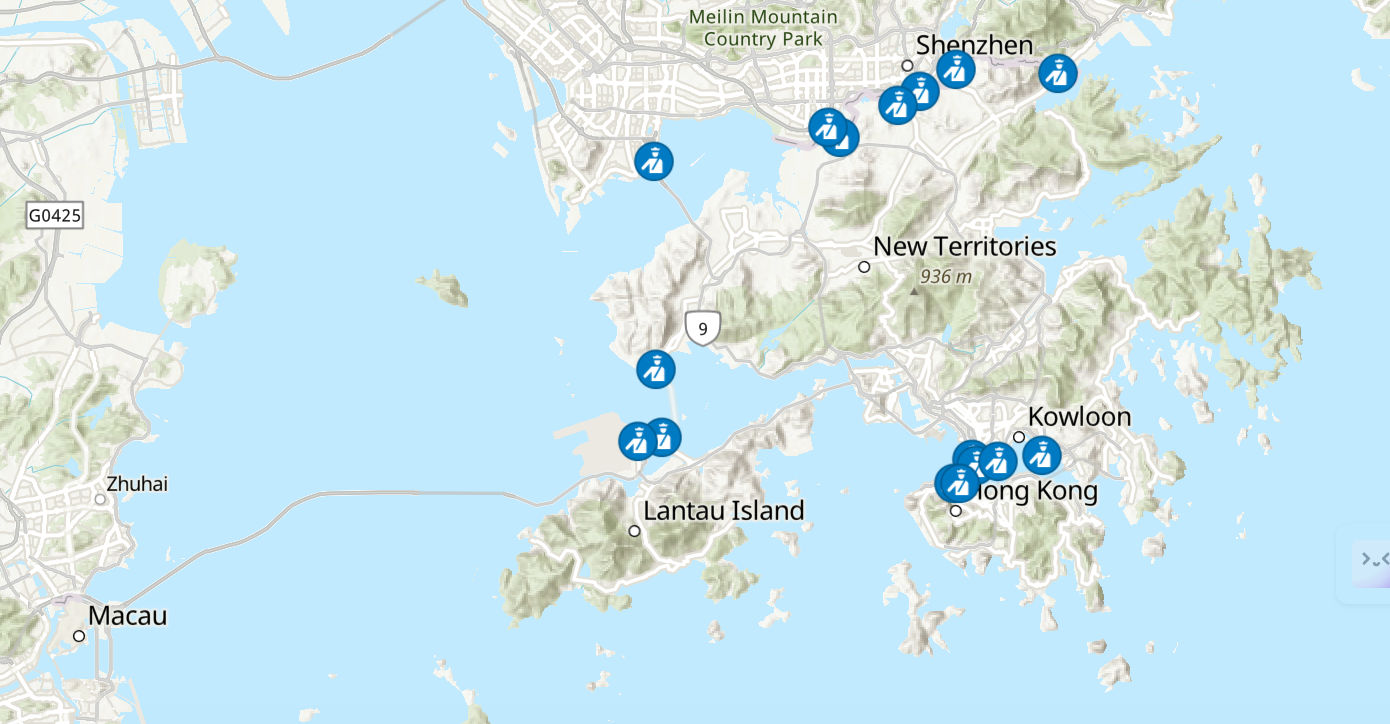
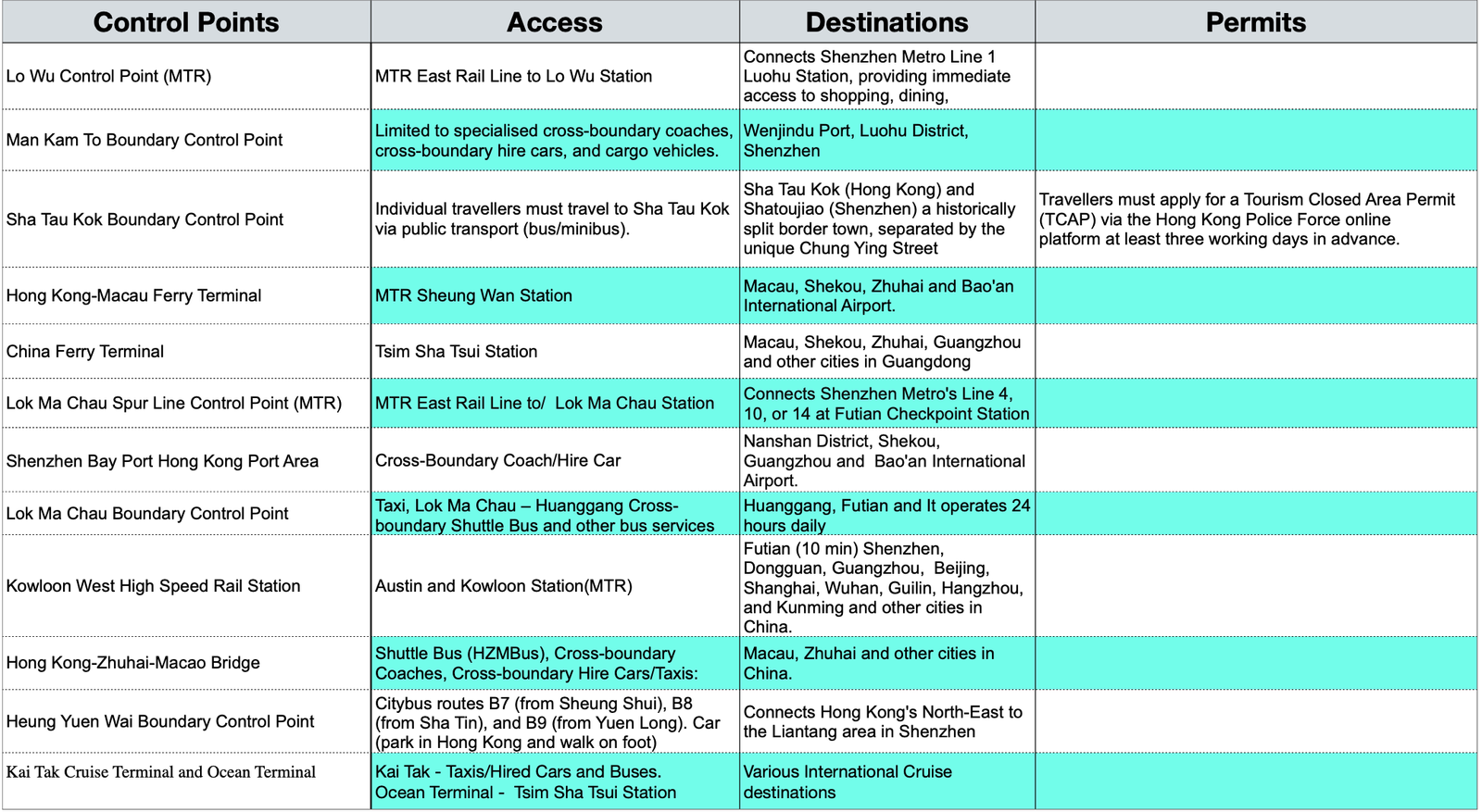
Travelling between the mainland and the regions of Hong Kong and Macau involves completing immigration procedures, with 13 designated checkpoints in Hong Kong ensuring smooth travel to various cities throughout China.
Getting there
There are thirteen control points throughout Hong Kong that allow travellers to easily access various destinations.
The Modern Metropolis: Shenzhen
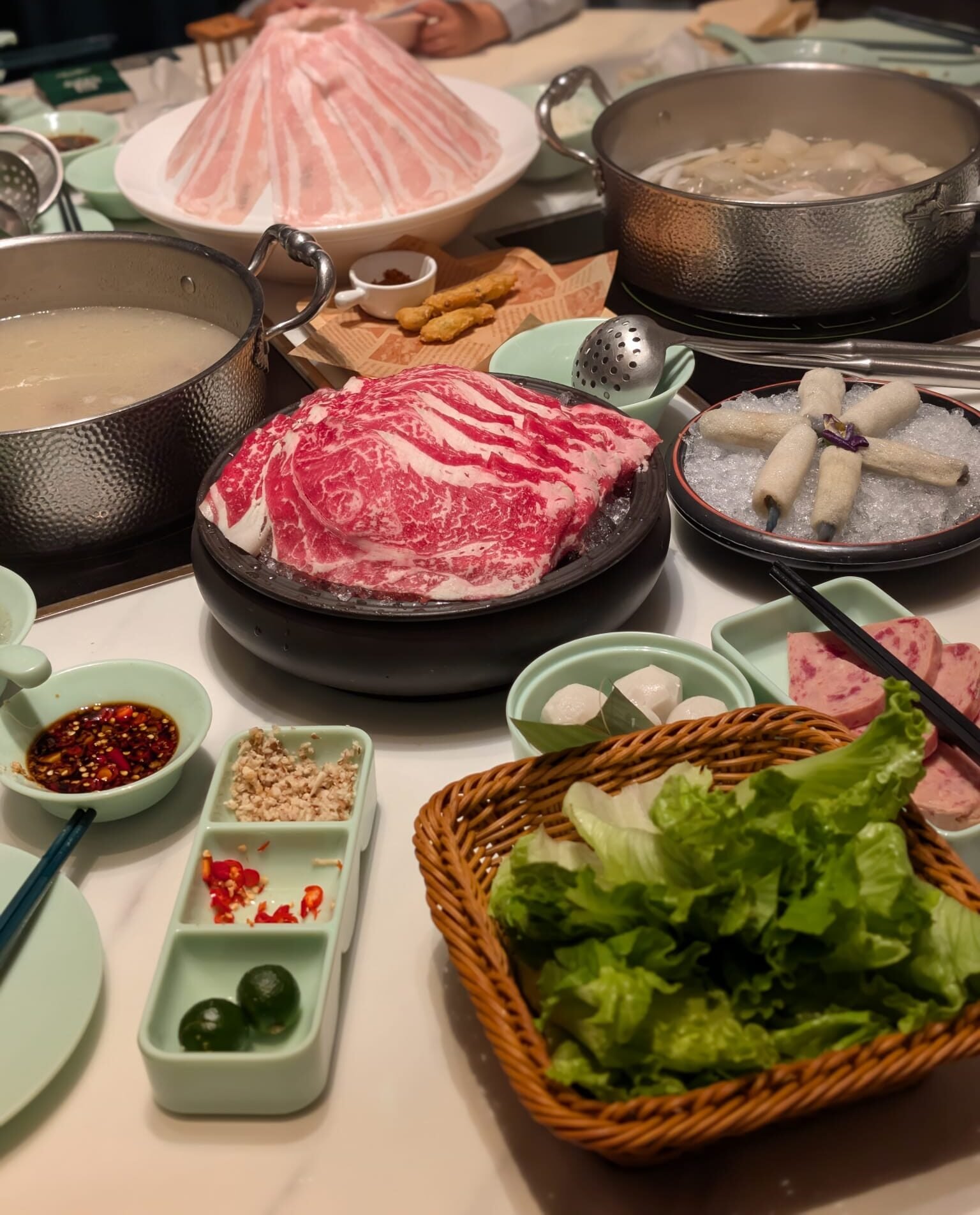
Travelling between Hong Kong and the mainland city of Shenzhen involves passing through one of the many busy land checkpoints, with a journey that takes only about fifteen to forty five minutes depending on your point of departure. The primary mode of transport is the MTR East Rail Line, the High Speed Rail, or various cross border buses and ferries. You will find that Shenzhen is a dynamic technology hub that offers incredible shopping malls, massive electronics markets, and sprawling theme parks in a sleek and futuristic urban setting.
One Place to Visit
Lianhuashan Park: This sprawling green space in the heart of the Futian district offers a perfect blend of nature and history. It is the best spot to hike up the hill to see the large bronze statue of Deng Xiaoping and enjoy a magnificent panoramic view of the Shenzhen skyline and the Civic Centre below.
Three Foods to Eat
-
Coconut Chicken Hotpot: This is a signature dish of the city where a whole chicken is simmered in a pot of pure coconut water and fresh coconut meat. The result is a naturally sweet and delicate broth that is perfectly complemented by a dipping sauce made of soy sauce, ginger, and lime.
-
Shenzhen Style Seafood: Given its coastal location, the city is famous for its massive seafood restaurants where you can select live fish, prawns, and crabs from large tanks. These are often steamed with garlic or stir fried with spicy salt to highlight the freshness of the catch.
-
Roasted Squab: This dish features a young pigeon that is marinated in a blend of traditional spices and then roasted until the skin is incredibly crispy and the meat remains tender and juicy. It is a local favourite that is often served with a side of seasoned salt for dipping.
The experience is often topped off with a visit to the Ping An Finance Centre, where the observation deck offers a breathtaking view of the border between the two cities, making Shenzhen a convenient and fascinating side trip from Hong Kong.
The Southern Powerhouse: Guangzhou
Travelling between Hong Kong and the historic capital of Guangdong province involves passing through the immigration halls at the high speed rail stations or land checkpoints, with a journey that takes about forty five to ninety minutes. The primary mode of transport for most visitors is the High Speed Rail departing from West Kowloon Station, which brings you directly into the heart of the city. You will find that Guangzhou is a vibrant metropolis that serves as the cradle of Cantonese culture, where ancient temples and traditional tea houses exist alongside soaring skyscrapers and futuristic architecture.
One Place to Visit
The Canton Tower: This elegant twisting structure is one of the tallest landmarks in the world and offers a spectacular view of the Pearl River Delta. It is the best spot to experience the city at night, when the tower glows with thousands of colourful lights and the surrounding Zhujiang New Town skyline is reflected in the water below.
Three Foods to Eat
-
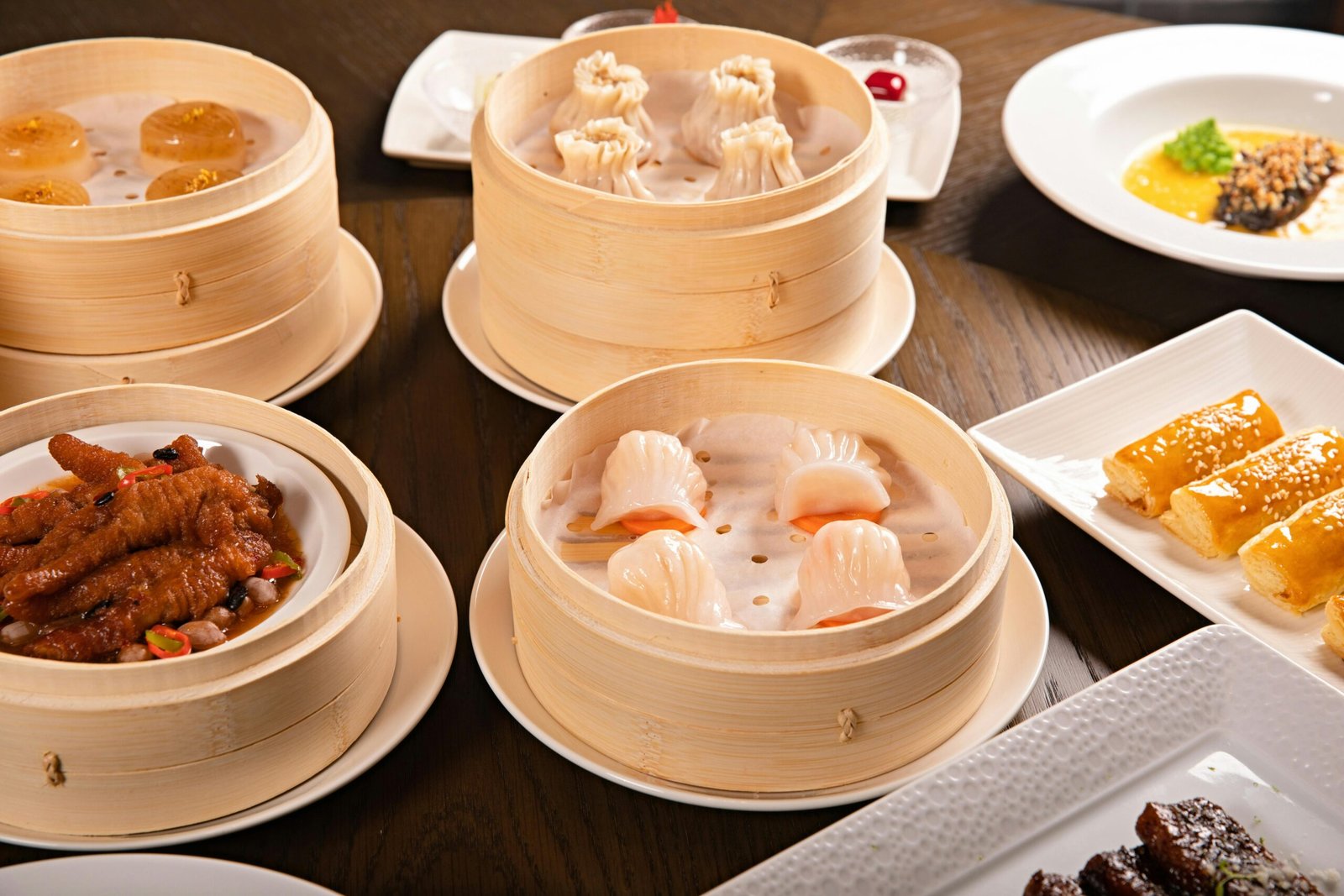
Cantonese Morning Tea: This is not just a meal but a cultural institution where you enjoy a wide variety of dim sum such as shrimp dumplings and steamed buns. The experience is defined by the quality of the tea and the delicate craftsmanship of the small plates, making it an essential part of the local lifestyle.
-
White Cut Chicken: This traditional dish features a whole chicken that is poached in a ginger and scallion broth until it is perfectly tender and silky. It is served with a dipping sauce made from minced ginger, spring onions, and hot oil, which highlights the natural sweetness and freshness of the meat.
-
Double Skin Milk: This is a famous local dessert that originated in the nearby Shunde district and features a smooth, custard like texture. The milk is steamed in a specific way to create two distinct layers of skin, resulting in a rich and velvety treat that can be enjoyed hot or cold.
The experience is often topped off with a walk through the historic Enning Road or a cruise along the Pearl River, where you can see the blend of old colonial buildings and modern urban design, making Guangzhou a deeply rewarding and culturally significant side trip from Hong Kong.
The Global Metropolis: Shanghai
Travelling between Hong Kong and the sprawling financial hub of Shanghai involves passing through the immigration halls at the international airport or the high speed rail terminal, with a journey that takes about two and a half hours by plane or roughly eight hours by train. The primary mode of transport for most visitors is a flight into Hongqiao or Pudong International Airport, though the direct High Speed Rail from West Kowloon offers a scenic land route across the country. You will find that Shanghai is a dazzling city of contrasts where the historic colonial charm of the riverfront meets a futuristic skyline that defines the modern Chinese dream.
One Place to Visit
The Bund: This famous waterfront promenade is lined with dozens of grand historical buildings that once housed the major banks and trading houses of the early twentieth century. It is the best spot to take a walk at sunset and witness the stunning contrast between the neo classical architecture on one side of the river and the neon lit skyscrapers of Lujiazui on the other.
Three Foods to Eat
-
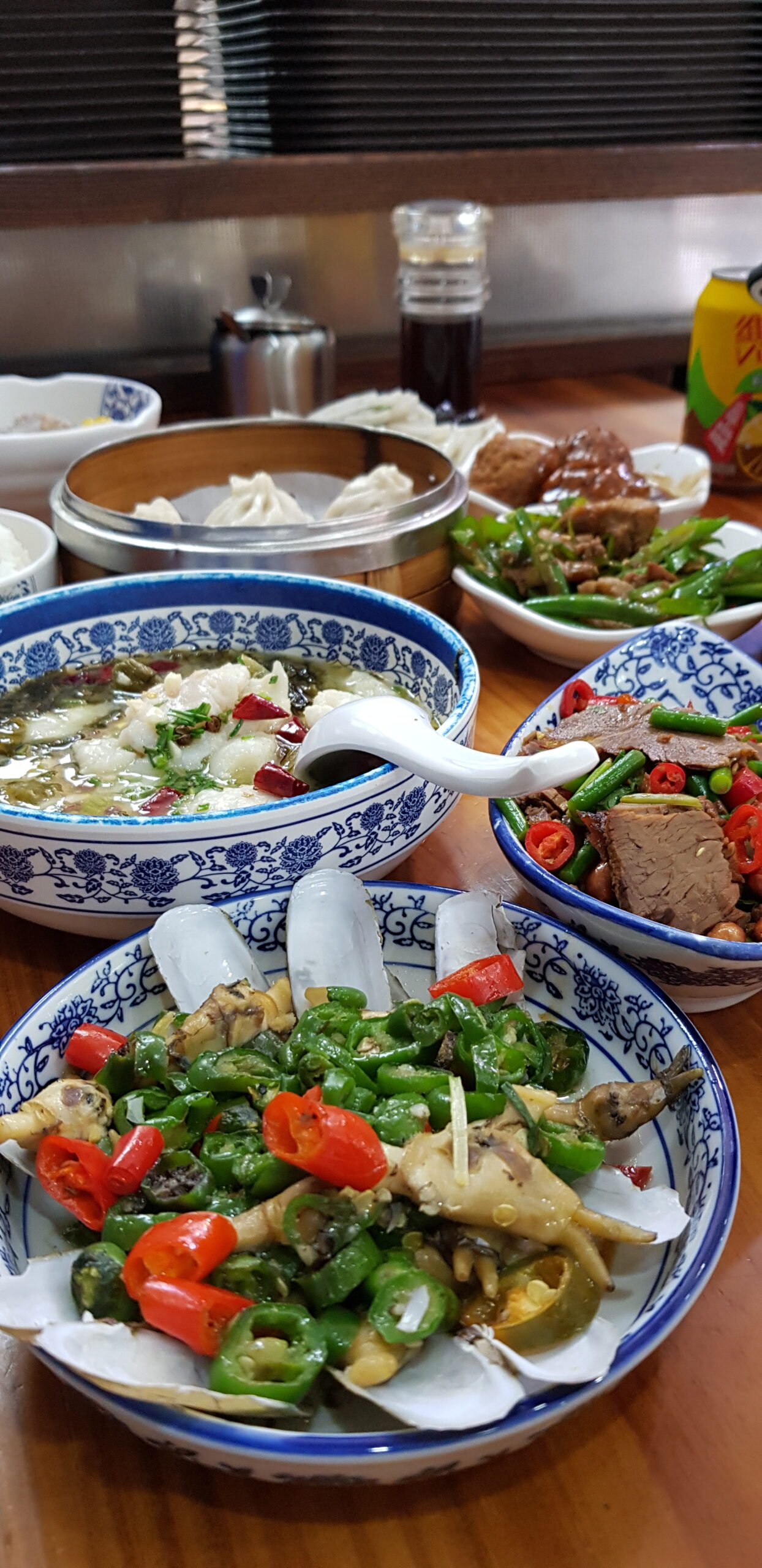
Xiao Long Bao: These are the world famous soup dumplings that originated in the outskirts of the city. Each delicate dumpling is filled with minced pork and a rich savoury broth that bursts in your mouth, traditionally served with a side of black vinegar and shredded ginger to balance the richness.
-
Sheng Jian Bao: This is a popular street food staple consisting of pan fried pork buns that are crispy on the bottom and soft on the top. The buns are garnished with toasted sesame seeds and chopped spring onions, offering a wonderful combination of textures and a delicious hot soup filling.
-
Braised Pork Belly: Known locally as Hong Shao Rou, this dish features thick cubes of pork belly slow cooked in a mixture of dark soy sauce, sugar, and aromatic spices. The meat becomes incredibly tender and the fat melts away into a sweet and savoury glaze that is best enjoyed with a bowl of steamed white rice.
The experience is often topped off with a stroll through the narrow alleys of the French Concession, where you can find boutique shops and hidden cafes nestled under a canopy of plane trees, making Shanghai a sophisticated and unforgettable side trip from Hong Kong.
The Imperial Capital: Beijing
Travelling between Hong Kong and the historic heart of China involves passing through the immigration halls at the international airport or the high speed rail terminal, with a journey that takes about three and a half hours by plane or roughly nine hours by train. The primary mode of transport for most visitors is a flight into Beijing Capital or Daxing International Airport, though the direct High Speed Rail from West Kowloon provides a comfortable land journey through the changing landscapes of the mainland. You will find that Beijing is a city of immense grandeur where the ancient secrets of the Ming and Qing dynasties are preserved within a rapidly modernising urban landscape.
One Place to Visit
The Forbidden City: This massive palace complex served as the home of Chinese emperors for over five hundred years and is the largest palatial structure in the world. It is the best spot to admire the classical wooden architecture and explore the countless halls and courtyards that once formed the secluded centre of the Chinese empire.
Three Foods to Eat
-
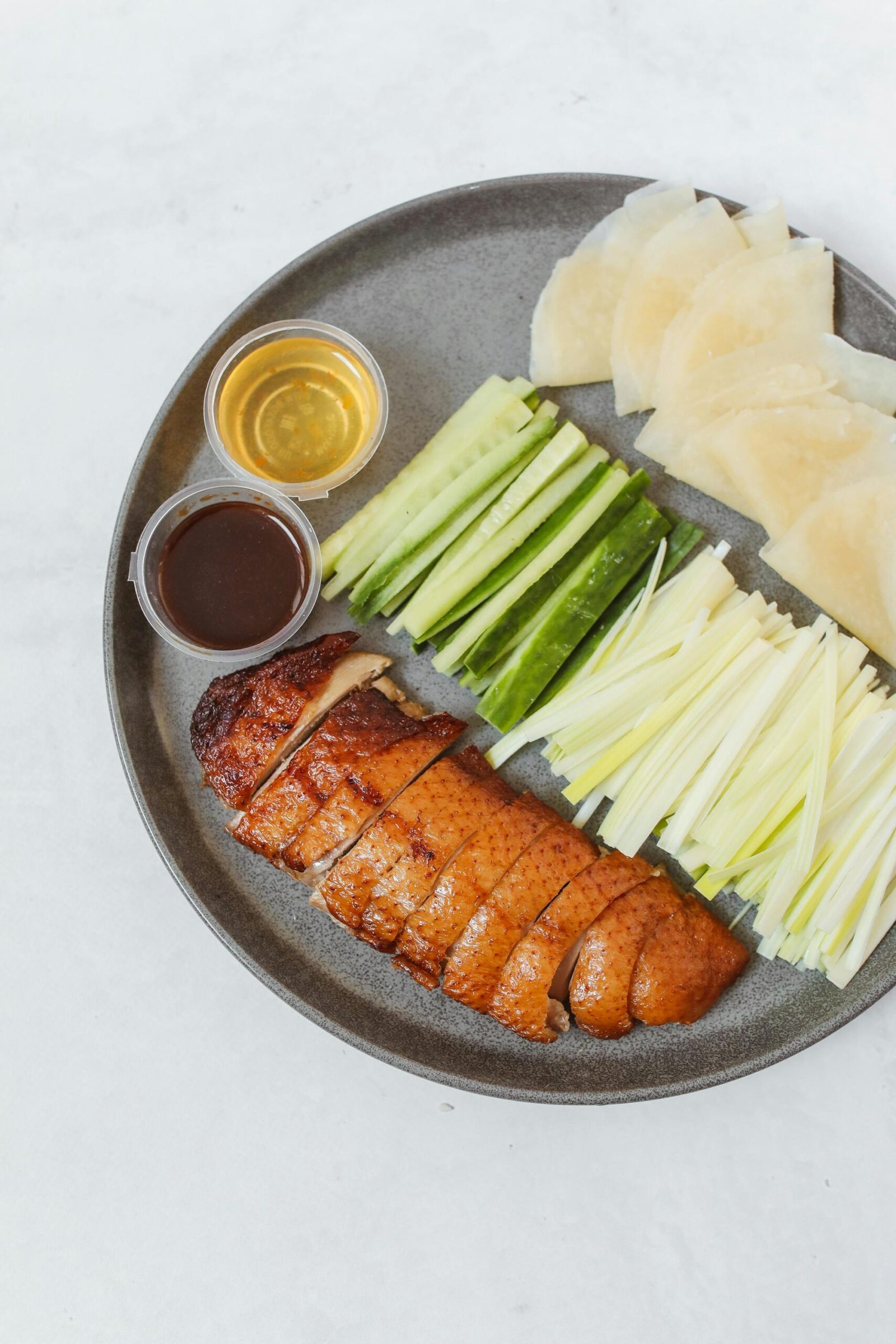
Peking Duck: This is the most famous culinary export of the city, featuring a duck that is roasted until the skin is incredibly thin and crispy. It is traditionally carved at the table and served with thin pancakes, sweet bean sauce, shredded cucumbers, and spring onions for a perfect DIY wrap.
-
Zhajiangmian: This classic Beijing noodle dish consists of thick wheat noodles topped with a rich and salty fermented soybean paste mixed with minced pork. It is served with an array of fresh vegetable julienne such as radish and bean sprouts to provide a crunchy contrast to the savoury sauce.
-
Old Beijing Yogurt: This traditional snack is sold in small ceramic jars with a paper cover and a straw. The yogurt is fermented in a way that makes it light and drinkable with a subtle sweetness, offering a refreshing taste of old Beijing street life that has remained popular for generations.
The experience is often topped off with a rickshaw ride through the narrow Hutongs or a visit to the Great Wall on the outskirts of the city, where the ancient stone fortifications stretch across the mountain ridges, making Beijing a deeply historical and awe inspiring side trip from Hong Kong.
The Historical Fusion: Macau
Travelling between Hong Kong and the Special Administrative Region of Macau involves passing through the immigration halls at the ferry terminals or the bridge boundary crossing, with a journey that takes about forty five to sixty minutes. The primary mode of transport is the high speed turbojet ferry departing from Central or Kowloon, or the shuttle bus that travels across the record breaking Hong Kong Zhuhai Macau Bridge. You will find that Macau is a captivating blend of Portuguese heritage and modern luxury, where traditional Mediterranean architecture sits comfortably alongside some of the largest and most spectacular casino resorts in the world.
One Place to Visit
The Ruins of Saint Pauls: This iconic stone facade is all that remains of a seventeenth century Portuguese church and is the most famous landmark in the city. It is the best spot to admire the intricate carvings that blend European and Asian motifs before walking down the nearby cobbled streets to explore the historic Senado Square.
Three Foods to Eat
-
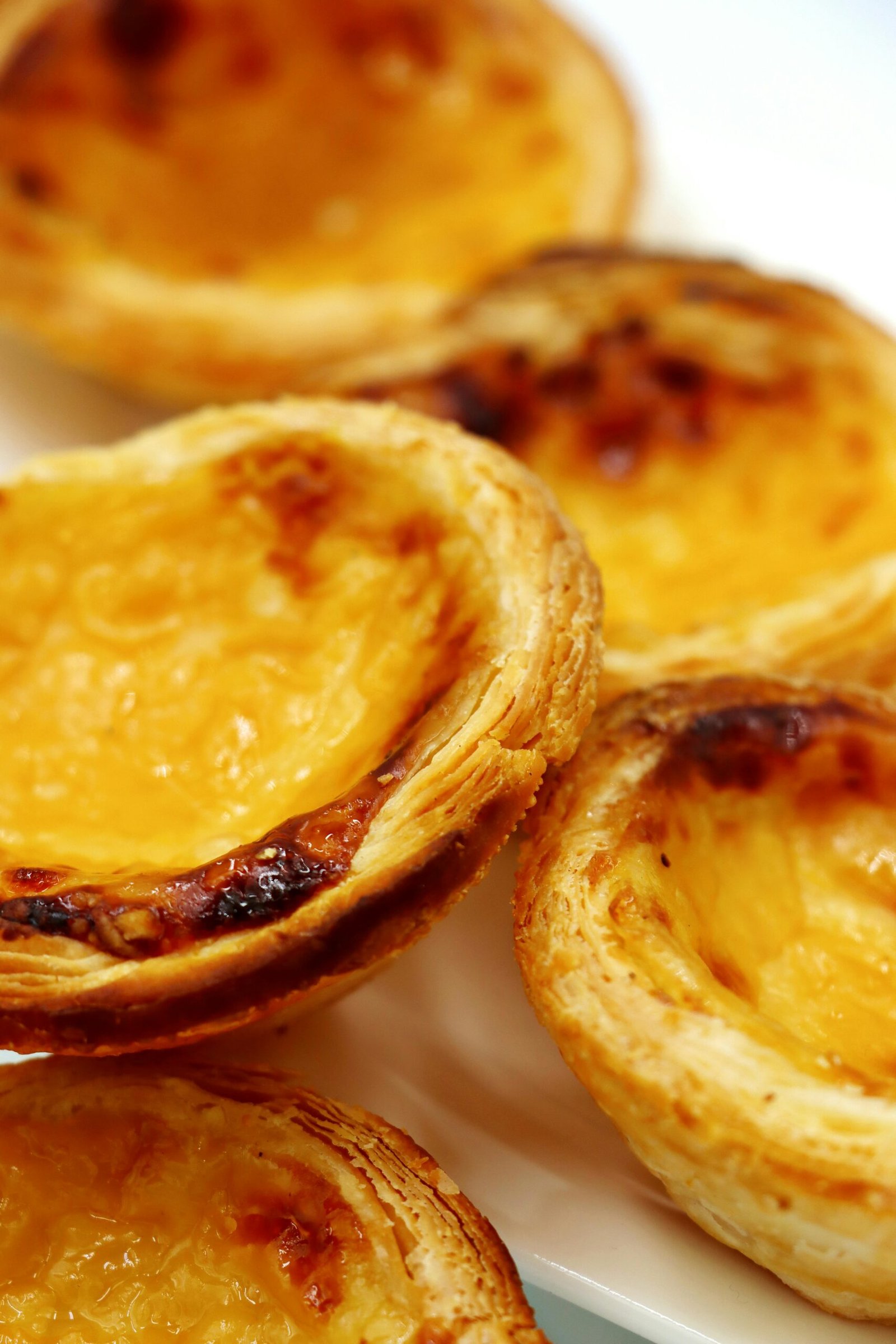
Portuguese Egg Tarts: This is the most legendary snack in Macau, featuring a rich and creamy custard centre inside a flaky, multilayered pastry shell. The top is caramelised to a deep brown, providing a slightly burnt sweetness that is best enjoyed while the tart is still warm from the oven.
-
Pork Chop Bun: Known as the Macanese version of a hamburger, this simple yet delicious sandwich consists of a seasoned fried pork chop tucked inside a crisp toasted baguette. The meat is tender and juicy with a strong garlic and pepper flavour, making it a perfect quick meal for travellers on the go.
-
Minchi: This is a traditional Macanese comfort dish made from minced beef or pork stir fried with diced potatoes, onions, and soy sauce. It is often topped with a fried egg and served with steamed rice, offering a savoury and salty taste that reflects the unique culinary fusion of the region.
The experience is often topped off with a stroll along the Cotai Strip at night, where the neon lights and fountain shows create a dazzling atmosphere that rivals any global entertainment capital, making Macau a brilliant and essential side trip from Hong Kong.
The Garden City: Zhuhai
Travelling between Hong Kong and the coastal city of Zhuhai involves passing through the immigration halls at the ferry terminals or the bridge boundary crossing, with a journey that takes about forty five to seventy minutes. The primary mode of transport is the high speed ferry departing from Central or the shuttle bus that travels across the spectacular Hong Kong Zhuhai Macau Bridge. You will find that Zhuhai is a relaxed and picturesque city known for its long stretches of coastline, clean air, and lush green parks that offer a much slower pace of life compared to the neighbouring financial hubs.
One Place to Visit
The Fisher Girl Statue: This iconic stone sculpture stands on a rock in Xianglu Bay and has become the symbol of the city. It is the best spot to begin a walk along the Lovers Road, a beautiful seaside promenade that stretches for kilometres and offers a refreshing breeze and a clear view of the surrounding islands.
Three Foods to Eat
-
Hengqin Oysters: These world famous oysters are cultivated in the clean waters surrounding Hengqin Island and are known for being exceptionally large and milky. They are best enjoyed roasted with minced garlic and chilli or simmered in a hotpot to preserve their natural sweetness and tender texture.
-
Wanzai Seafood: This is a quintessential Zhuhai dining experience where you visit the dedicated seafood street to purchase fresh fish, clams, and abalone directly from the vendors. You then take your selection to a nearby restaurant to be cooked exactly to your liking, typically steamed with ginger or sautéed in a savoury black bean sauce.
-
Tangjia Wan Tea Pastries: These traditional handmade snacks come from the historic Tangjia district and include a variety of sweet and savoury treats such as silver leaf cakes and leaf wrapped glutinous rice. They are made using ancient recipes and local ingredients, providing a nostalgic taste of the agricultural heritage of the region.
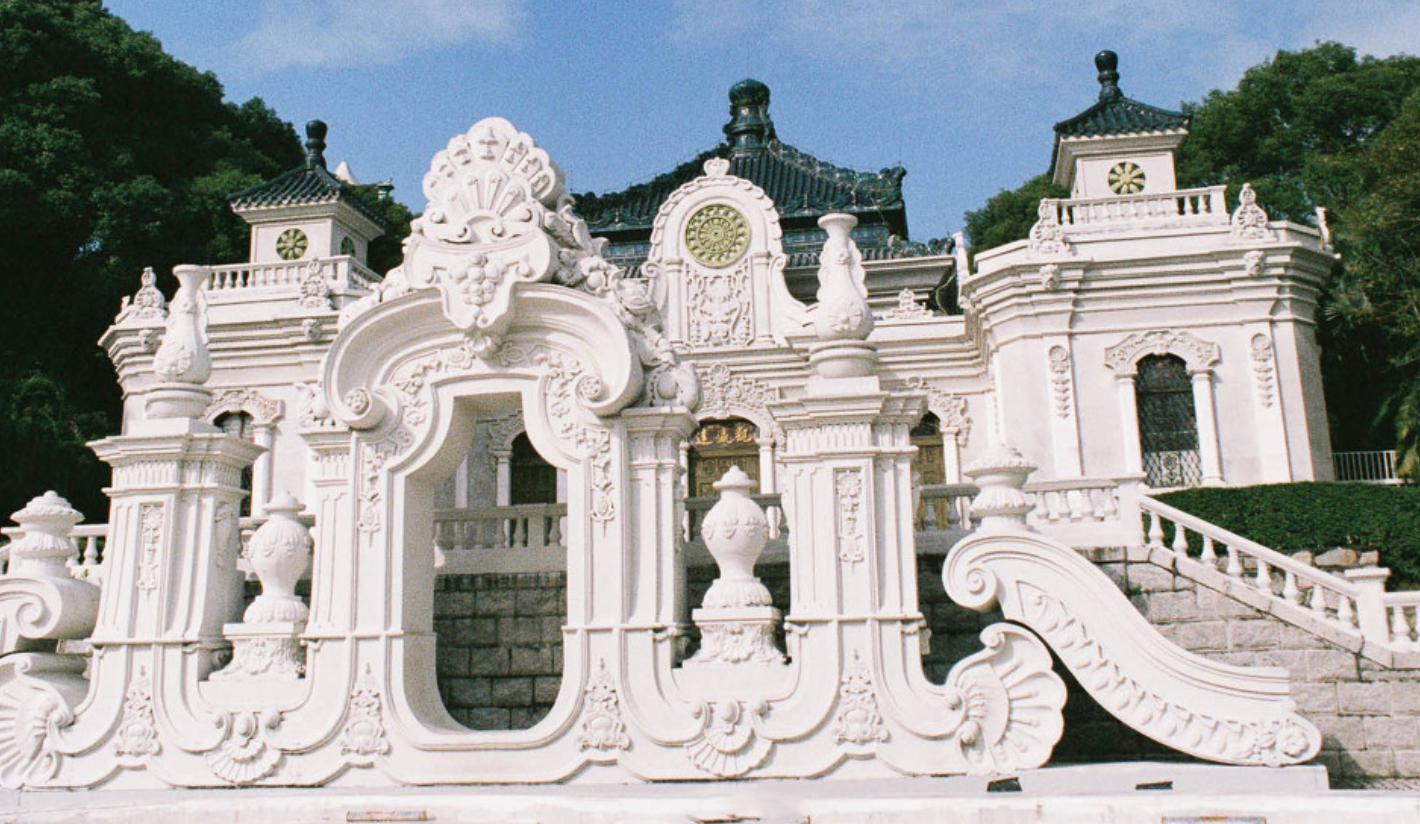
The experience is often topped off with a visit to the New Yuan Ming Palace, a partial recreation of the original Old Summer Palace in Beijing, or a trip to the massive Chimelong Ocean Kingdom, making Zhuhai a peaceful and scenic side trip from Hong Kong.
For more information, go to https://www.td.gov.hk/en/home/index.html
Macau
Guangzhou
Shenzhen
Shanghai
Beijing
Zhuhai
Hong Kong is bigger than you think.
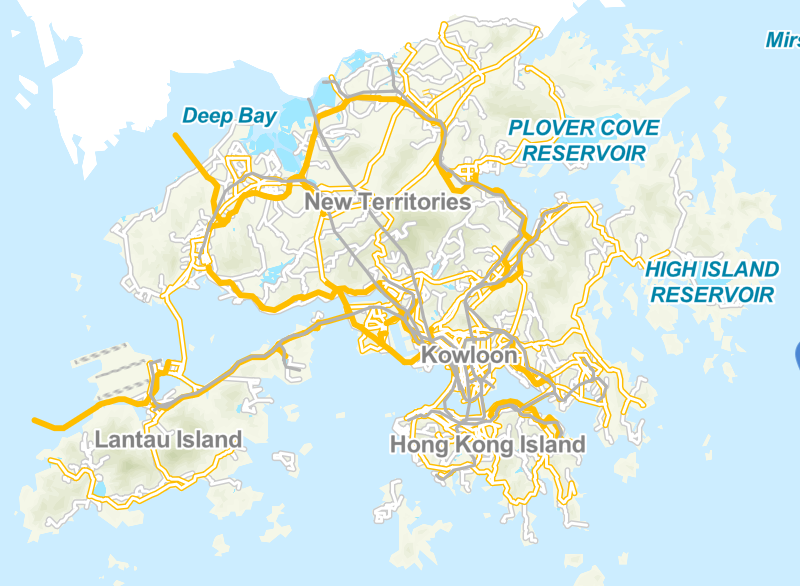
Hong Kong is made up of Hong Kong Island, which has Central, Causeway Bay, and Stanley; Kowloon, famous for Tsim Sha Tsui and Mongkok; and the New Territories, including Yuen Long, Tsuen Wan, and Sheung Shui. Lantau Island is home to the Hong Kong International Airport and Disneyland. While many international travellers mainly visit Kowloon and Hong Kong Island, the real treasures are often found in the lively local neighbourhoods.
Get the latest updates from our travel guide and discover exciting destinations and useful tips at notitia.in.
We are eager to discover and share insights about diverse cities around the world with even more destinations on the horizon.