Experience the Best
Unforgettable time in Singapore
Must Try!!!
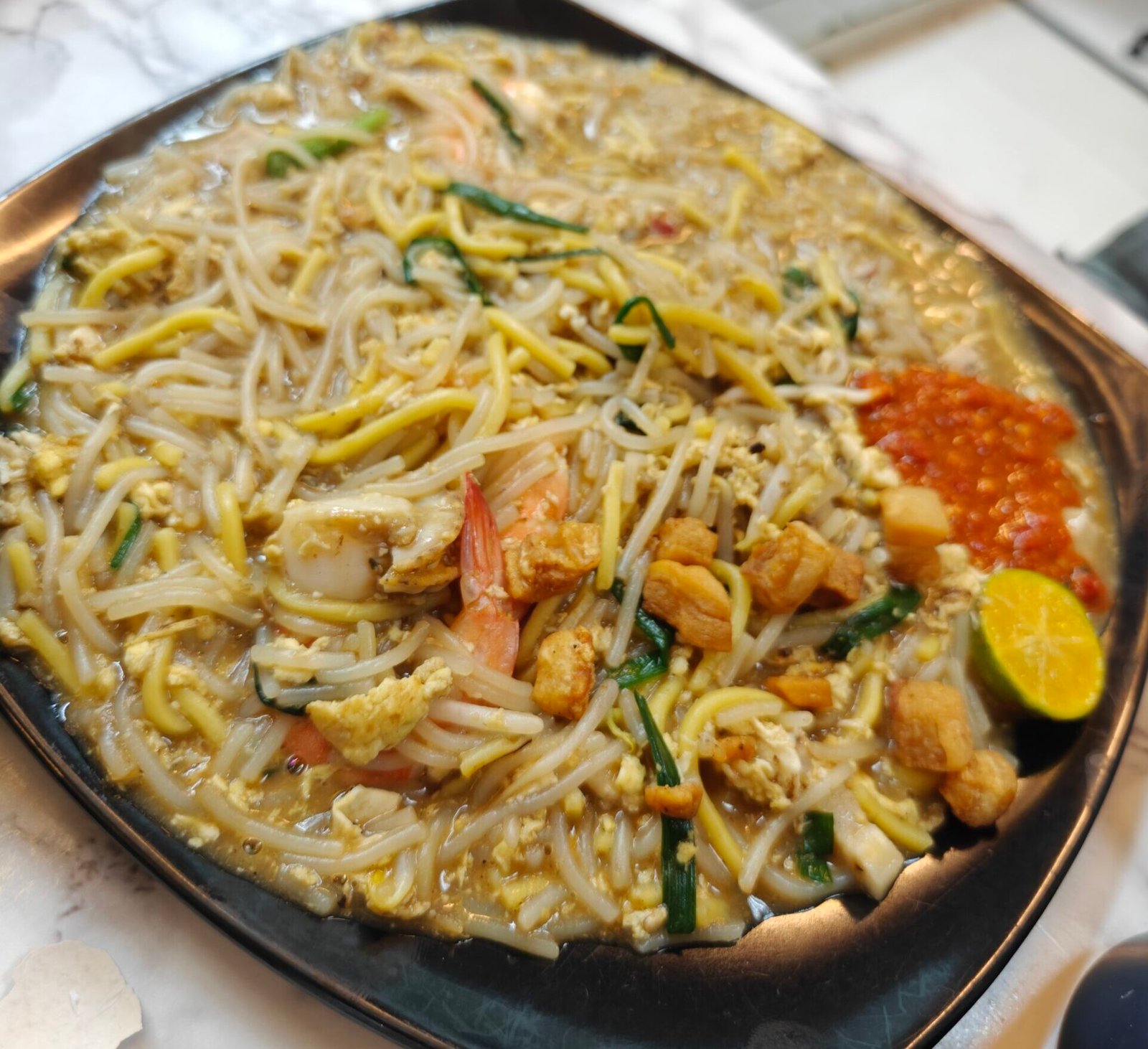
In many parts of Asia, you’ll find fried noodles on every corner, but Singapore’s Hokkien Mee (福建面) offers a much more indulgent, soul-warming experience. While the name pays homage to its Fujian roots, the soul of the dish is uniquely Singaporean. Unlike the dry or soy-heavy versions found elsewhere, the focus here is on a rich, creamy seafood reduction. You will find a blend of yellow egg noodles and thick rice vermicelli, slow-braised in a potent, hand-pressed prawn and pork bone broth until the liquid is almost entirely absorbed. The spread is traditionally served with succulent prawns, tender squid, and crispy bits of golden pork lard, always finished with a bright squeeze of calamansi lime and a side of fiery sambal chili for a truly local kick.
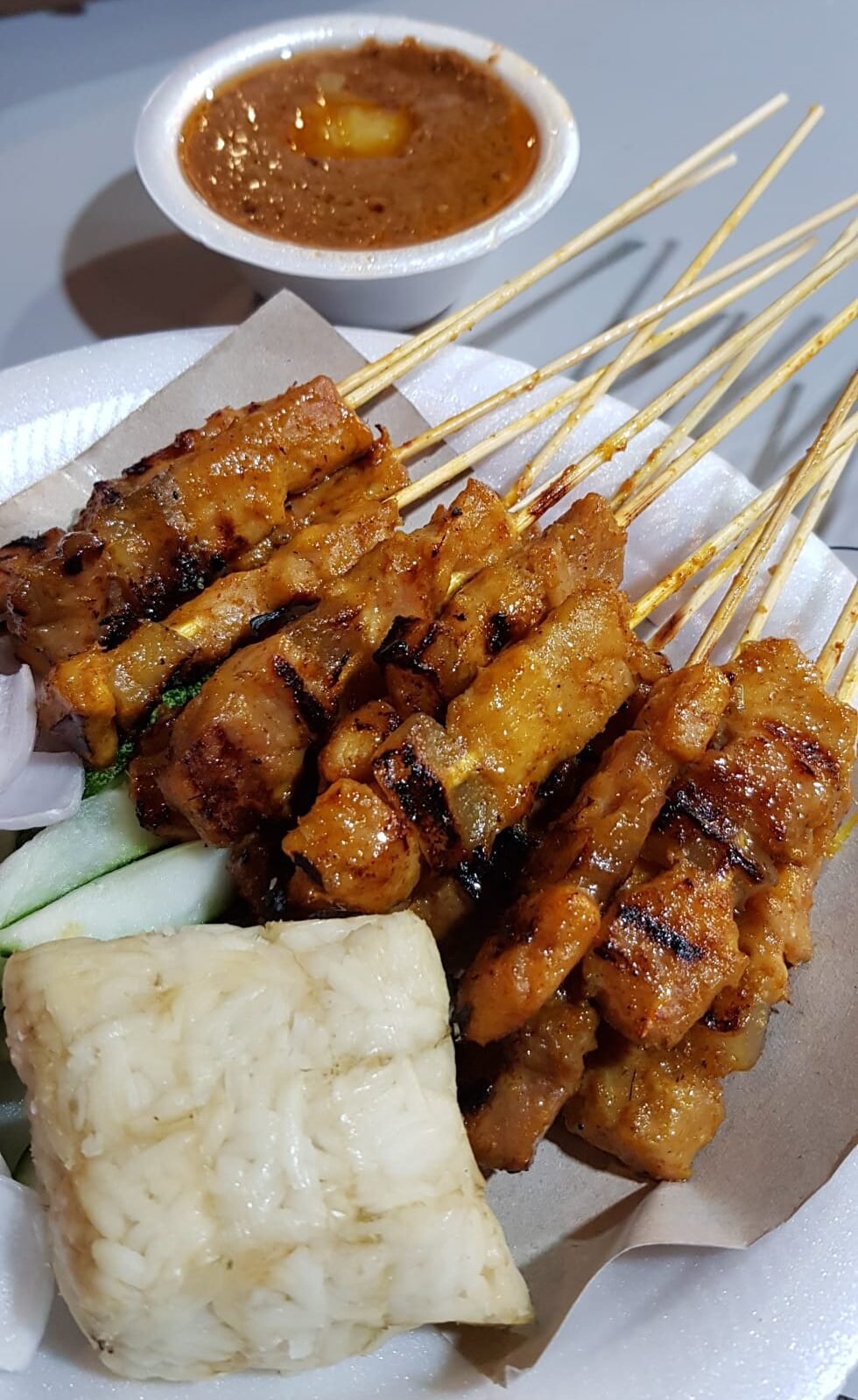
In Southeast Asia, skewered grilled meats are a beloved street food staple, but Singapore’s Satay offers a much more refined and aromatic experience. While Indonesia’s Sate Padang is famous for its thick, spicy, curry like sauce and heavy use of cumin and galangal, the focus here is on the delicate balance of a fragrant, golden marinade dominated by lemongrass and turmeric. You will find signature specialties like succulent chicken, beef, or mutton, and a unique local favorite pork satay which is a distinct hallmark of Singapore’s Chinese Hainanese heritage. The meat is grilled over an open charcoal flame to achieve a perfect smoky char. The spread also features compressed rice cakes (ketupat), raw red onions, and crisp cucumber, all served with a rich, velvety peanut sauce that is traditionally topped off with a spoonful of tart pineapple purée for a uniquely refreshing Singaporean finish.
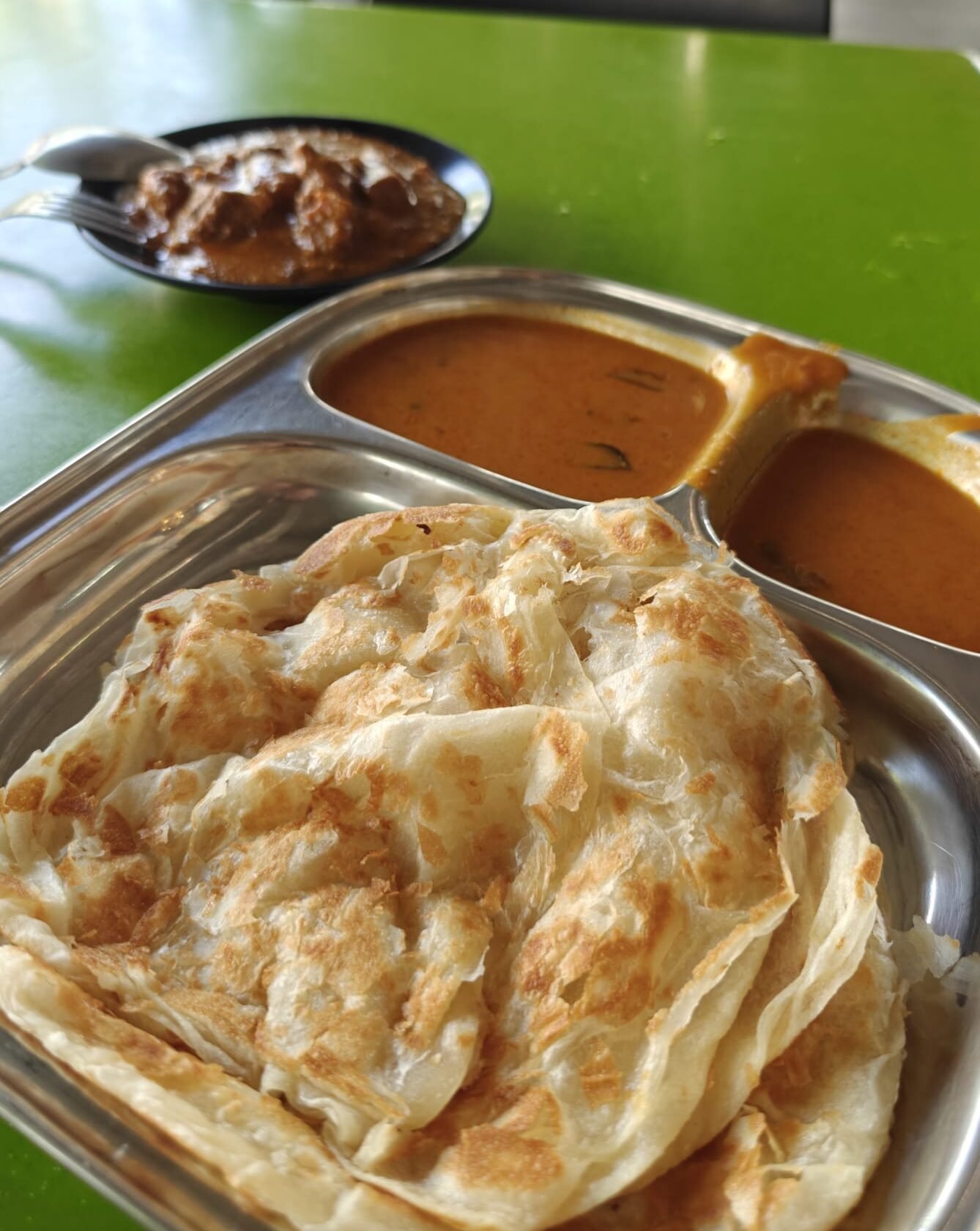
In Southeast Asia, flatbreads are a quintessential breakfast staple, but Singapore’s Roti Prata offers a much more diverse and textured experience. While the dish is commonly known as Roti Canai in Malaysia, the focus here is on the specialized variety of local techniques that produce either a light, airy, and flaky texture or a satisfyingly loud, shattered glass crispiness. You will find signature specialties like the classic plain prata, which is stretched and flipped until paper thin before being folded and fried on a griddle with ghee to achieve your preferred level of crunch. The spread also features a wide variety of modern fillings like egg, cheese, or even chocolate, but the traditional experience is always topped off with a bowl of flavourful mutton or fish curry. For a truly local touch, many Singaporeans also dip their crispy prata in a saucer of white sugar to create a perfect harmony of sweet and salty flavours.
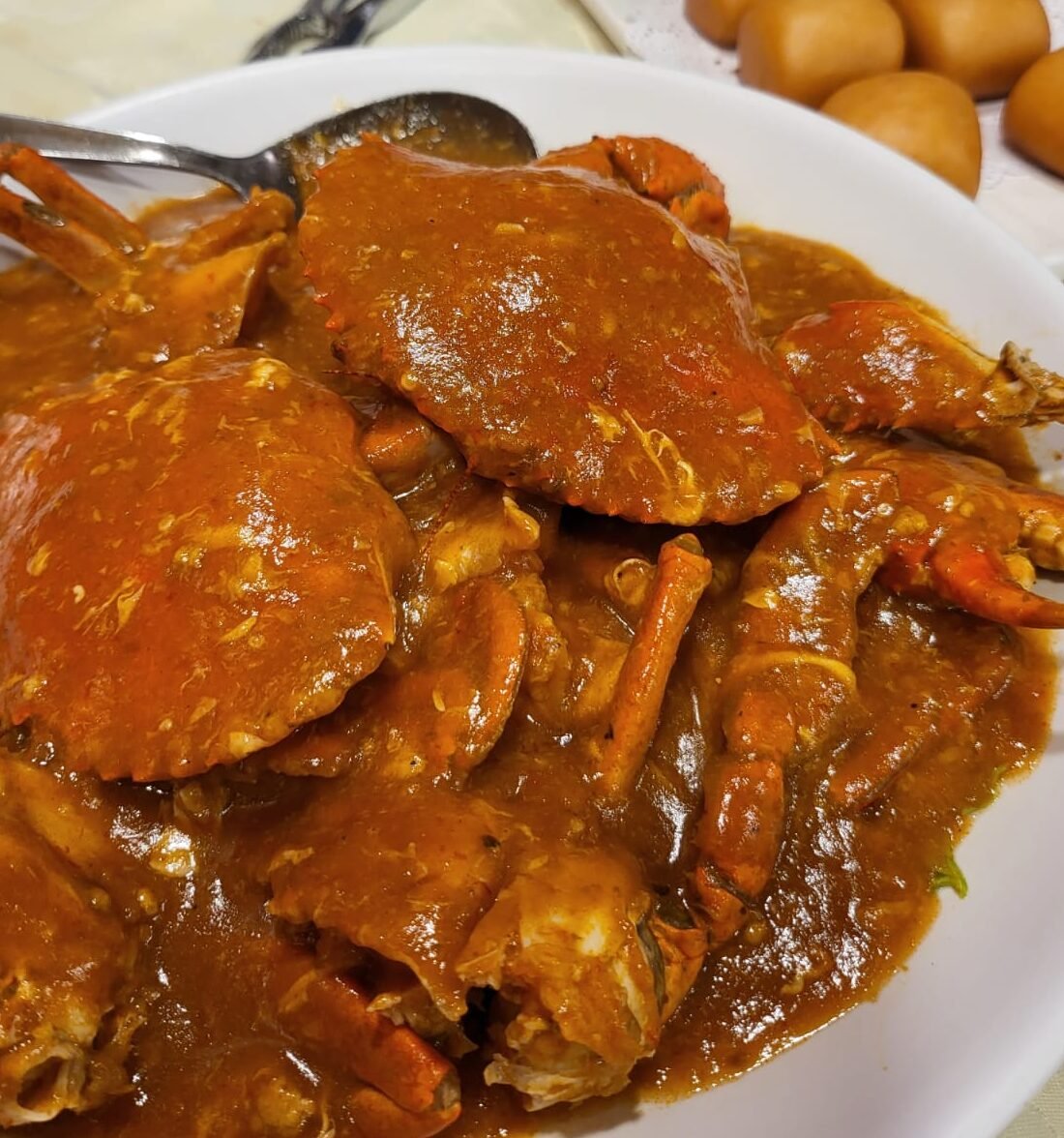
In the world of seafood, many cultures have their own way of serving shellfish, but Singapore’s Chilli Crab offers a much more indulgent and communal experience. While other regional variations might focus on dry spice rubs or clear garlic broths, the focus here is on a thick, savoury, and velvety gravy that coats every inch of the succulent mud crab. You will find signature specialities like the massive Sri Lankan mud crabs, stir fried in a luscious base of tomato, chilli, and ribbons of beaten egg that create a rich and slightly sweet texture. The spread also features a basket of golden mantou buns, which are either steamed or deep fried to perfection for the sole purpose of mopping up every last drop of the addictive sauce. The experience is often topped off with a squeeze of lime to balance the heat, making it a messy but essential ritual for anyone looking to taste the true heart of Singaporean cuisine.
GEtting Around
Getting around Singapore is easy; even if you take the wrong turn, you will always be close to a safe and familiar neighbourhood. The total area of Singapore is just about 734 square kilometres, so the city isn’t too vast. Plus, you will be amazed by how the city is filled with tall buildings and beautiful parks at the same time, as the small land is used carefully to keep everything close and green. You will find a world-class transport network where the Mass Rapid Transit (MRT) trains and many buses connect every part of the island perfectly. The system features air-conditioned comfort and easy ways to pay so you can travel through the city without any stress. The journey is often topped off with a walk through large malls that are connected to the stations, making every trip a simple and enjoyable part of your visit to Singapore. For more information, https://www.smrt.com.sg/public-transport/getting-around/
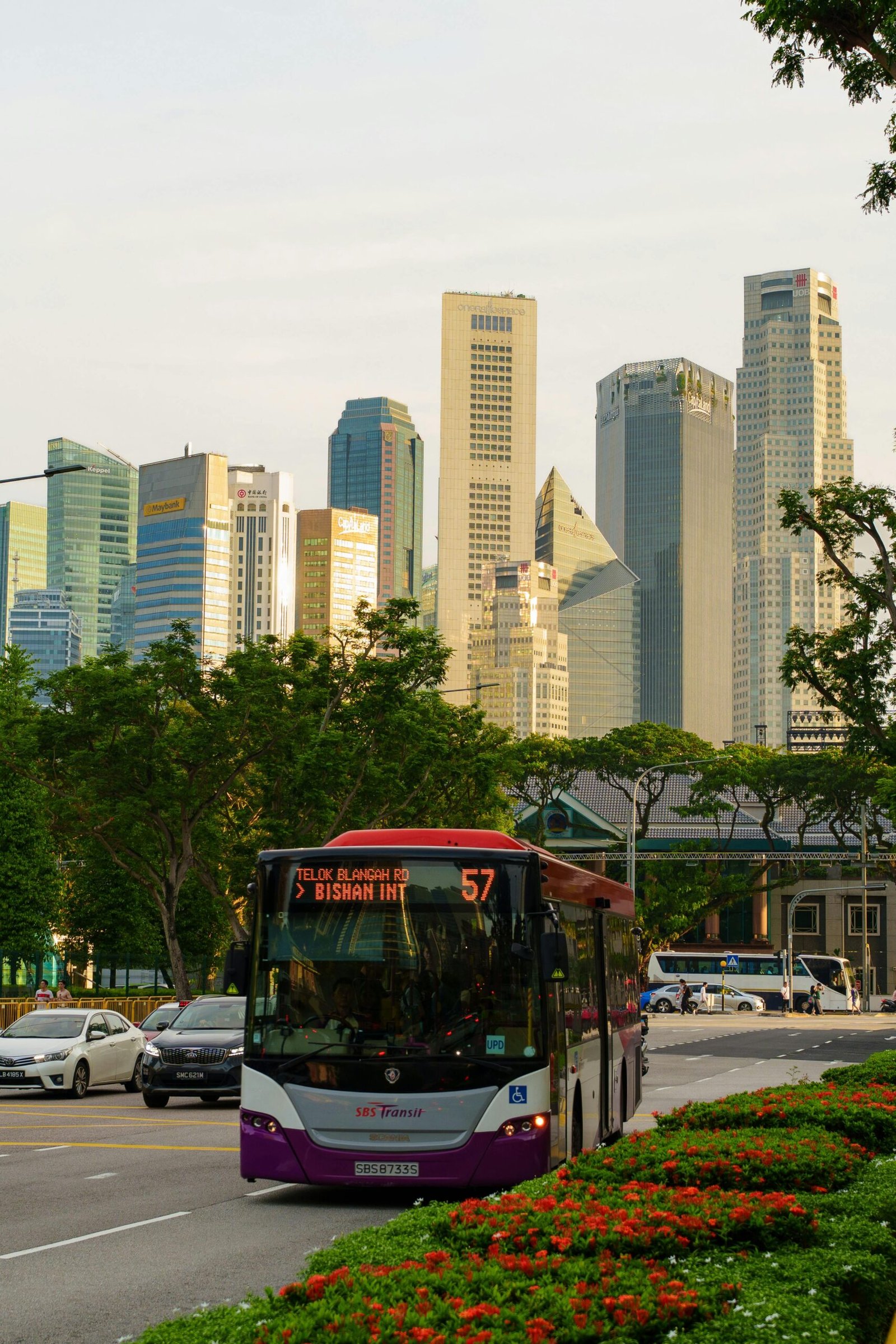
The Lifeline of the City: Singapore’s Extensive Bus Network
While the fast trains offer a quick journey, the true workhorse of Singapore’s transport is its incredible bus network. Often cited as one of the most efficient in the world, the bus system is remarkably convenient, reaching almost every corner of the island from the densest urban streets of the city centre to the quiet nature parks in the outskirts.
The Double Decker Giants
The most visible legacy of British influence on Singapore’s roads is the double decker bus. Much like London, Singapore relies on these towering vehicles to move massive numbers of people efficiently.
-
Comprehensive Coverage: Thousands of routes criss cross the city. Whether you are heading to the airport, a coastal park in the east, or a hilltop in the north, there is almost certainly a bus that goes there.
-
Modern Comfort: Most buses are fully air conditioned and provide real time arrival information, making them a preferred choice for both daily commuters and visitors.
The Pulse of the Nation: Singapore’s MRT
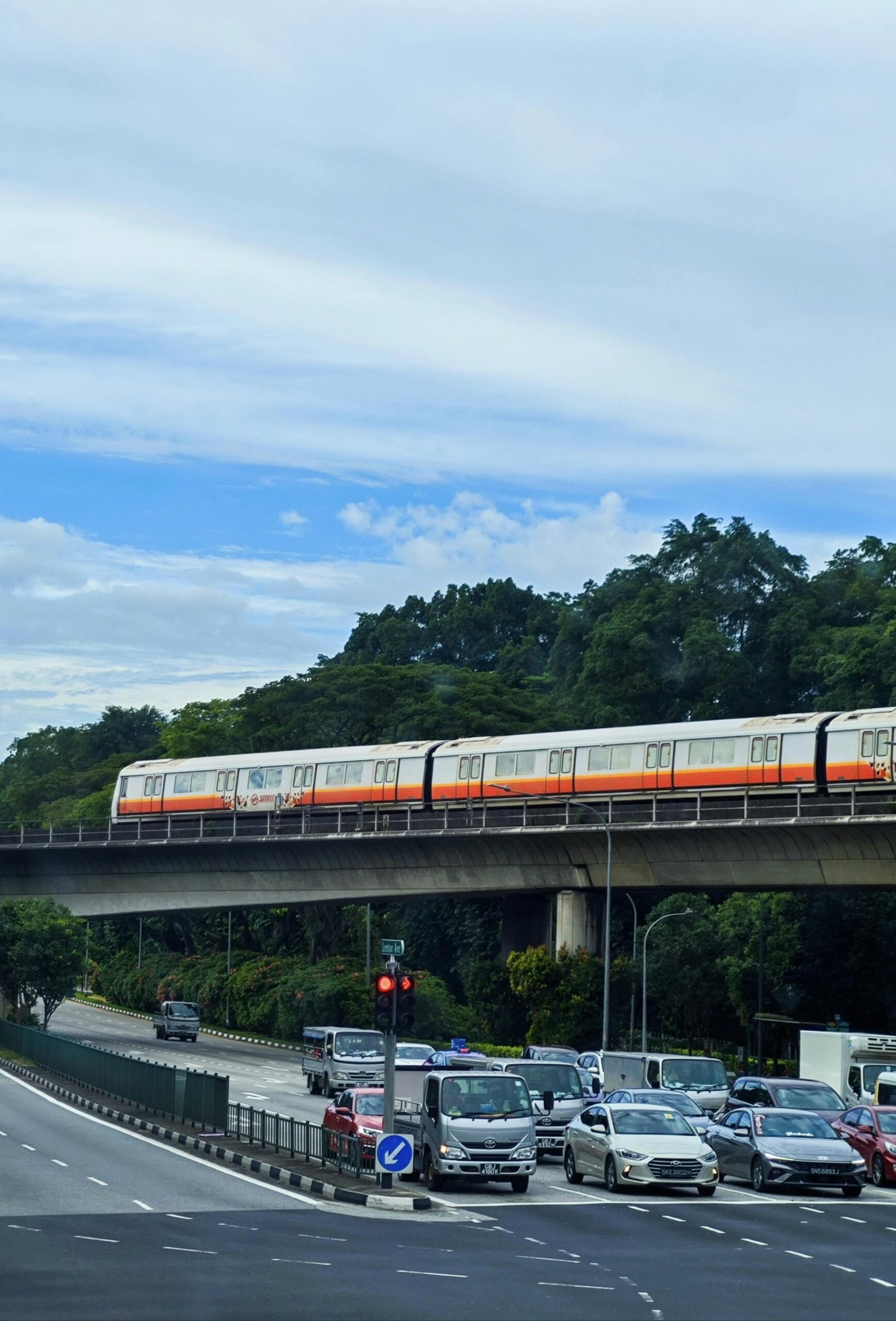
The Mass Rapid Transit (MRT) is the heartbeat of Singapore’s transport system and is widely regarded as one of the best underground networks in the world. Since it first opened in 1987, it has expanded to connect every corner of the island, making it possible to travel across the entire country with incredible speed.
Efficiency and Connection
Total Reliability: The MRT is famous for its punctuality, with trains arriving every few minutes. It is so efficient that it carries millions of passengers every day, yet it remains clean, safe, and easy to navigate.
A Seamless Network: The system covers almost all major districts, shopping hubs, and even the airport. Many stations are built directly underneath large shopping malls and residential towers, allowing people to go from home to work without ever stepping outside into the tropical heat.
A Modern Experience
Ease of Use: Every station is clearly signposted in English. To travel, most people use a contactless credit card or mobile payment, simply tapping at the gates to enter and exit.
Air Conditioned Comfort: All stations and trains are fully air conditioned, providing a welcome escape from the city humidity. Many stations also feature digital maps and helpful staff to help visitors find their way.
More Than Just a Train
For the modern traveller, the MRT is the fastest way to explore Singapore. It connects the historic charm of heritage neighbourhoods with the gleaming skyscrapers of the financial district. Whether you are heading to a business meeting in Raffles Place or going for a day trip to the lush gardens of Marina Bay, the MRT is the reliable thread that holds the city together.
Nearby Cities
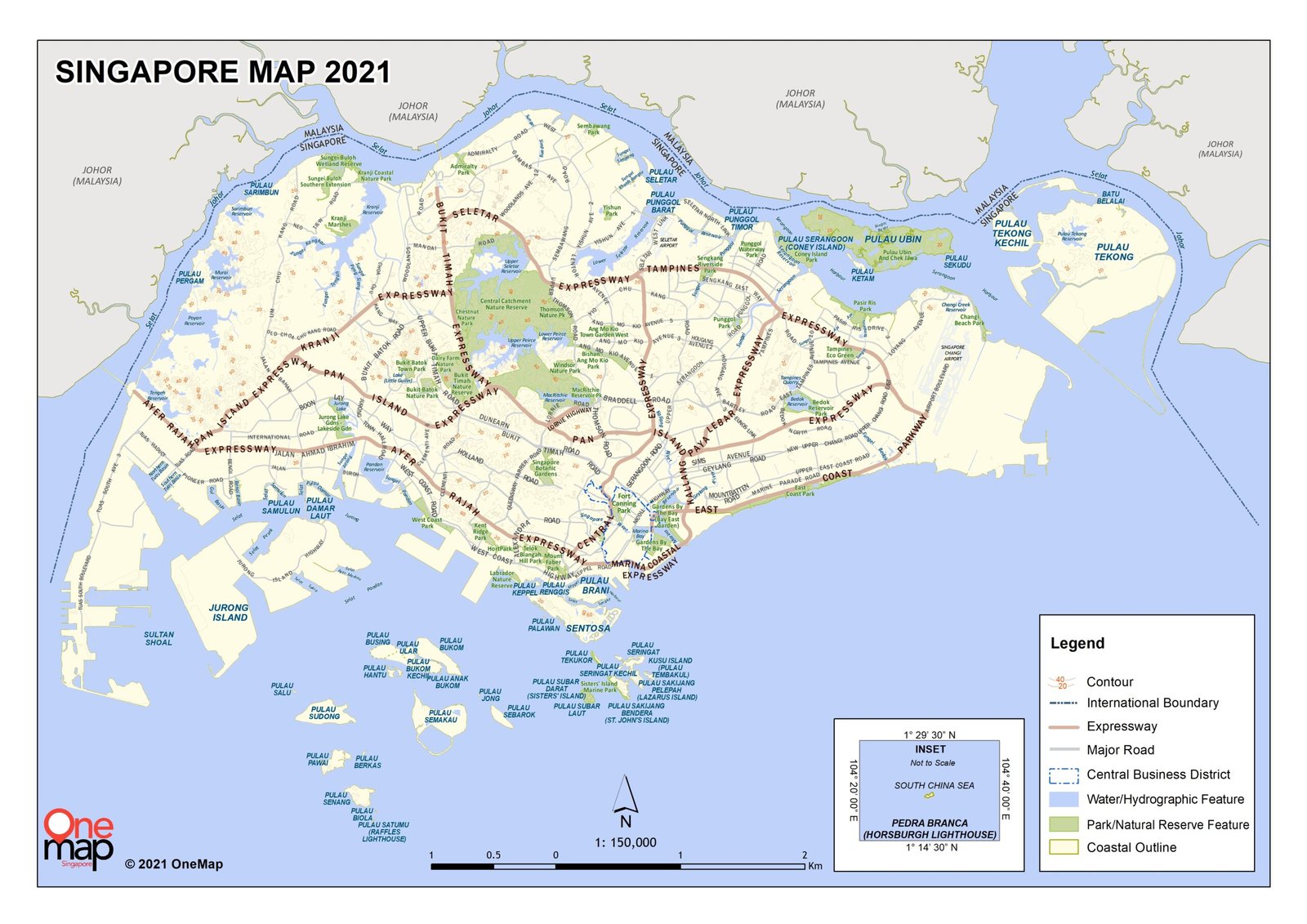
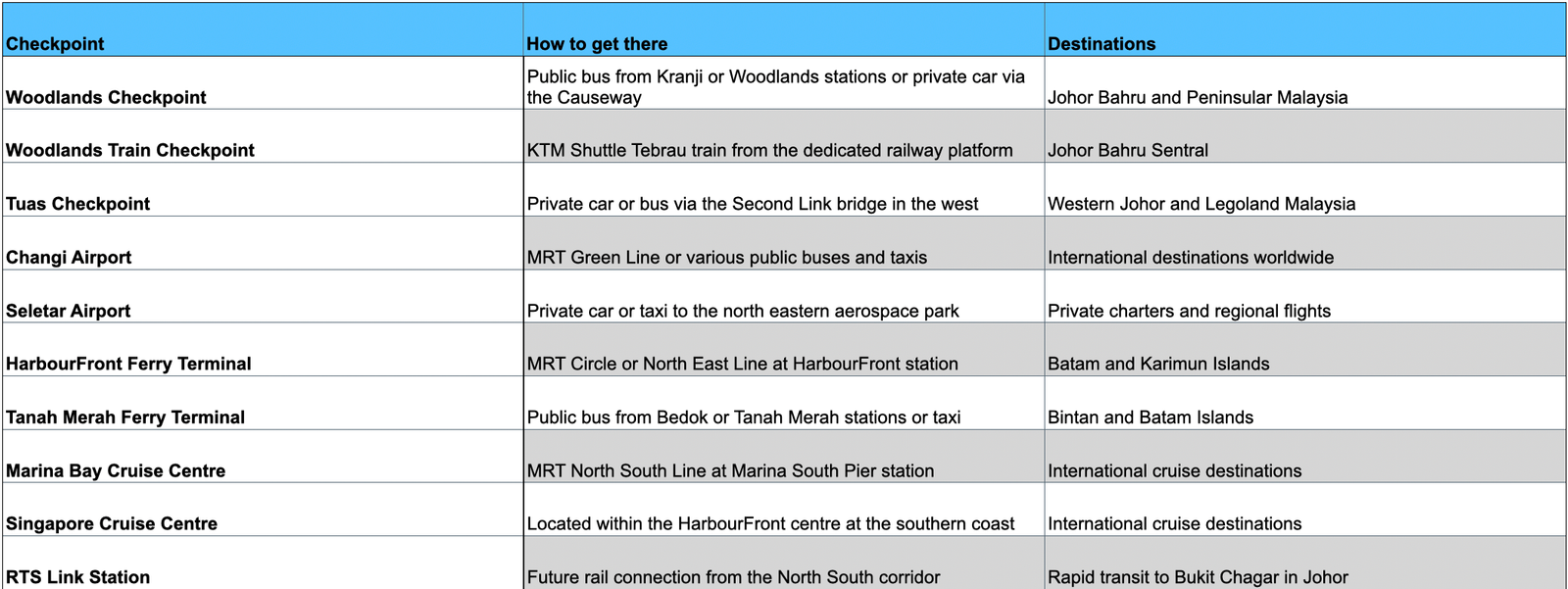
Travelling between the island and the regions of Malaysia and Indonesia involves completing immigration procedures, with several designated checkpoints in Singapore ensuring smooth travel to various cities throughout South East Asia. You will find major gateways like the Woodlands and Tuas checkpoints that connect you by land to the vibrant food and shopping of Johor Bahru. The system also features busy ferry terminals like Tanah Merah and HarbourFront which provide quick sea access to the beautiful beach resorts of Batam and Bintan. The journey is often topped off with a short and easy trip through Changi Airport, which acts as a central hub for those looking to explore other nearby gems like Kuala Lumpur or Malacca in just under an hour.
Getting there
You will find major land links like the Woodlands and Tuas checkpoints, which provide a direct path for those travelling to Malaysia by car or bus. The system also features various ferry terminals like HarbourFront and Tanah Merah which offer quick sea travel to the tropical islands of Indonesia.
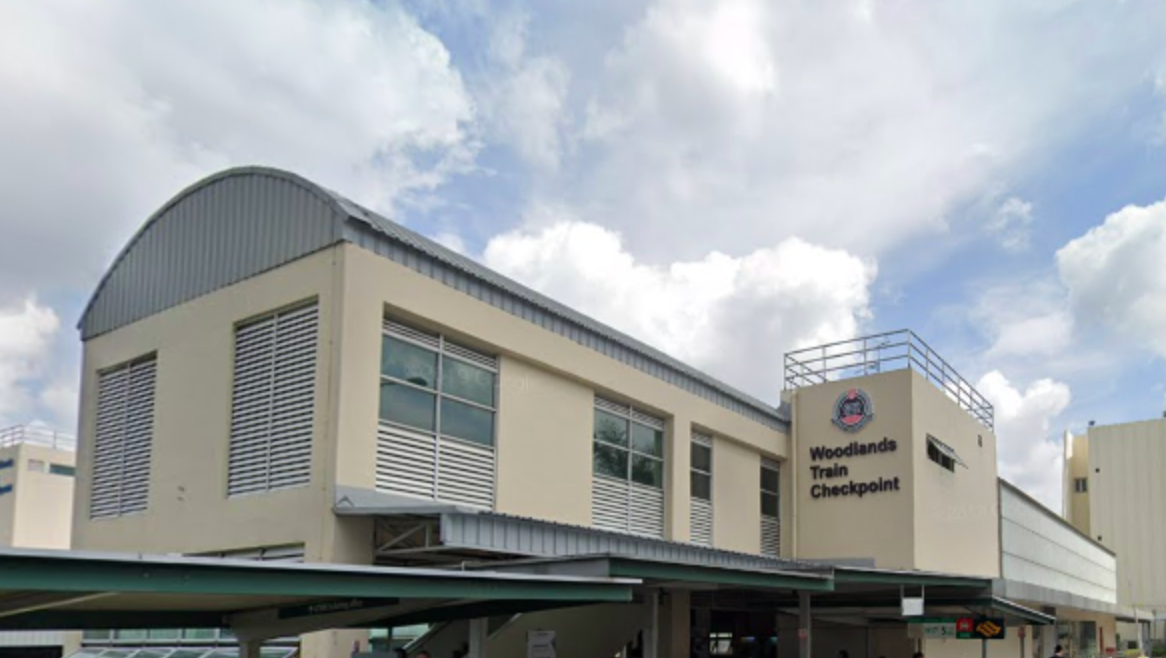
The Gateway to the North: Woodlands Checkpoint
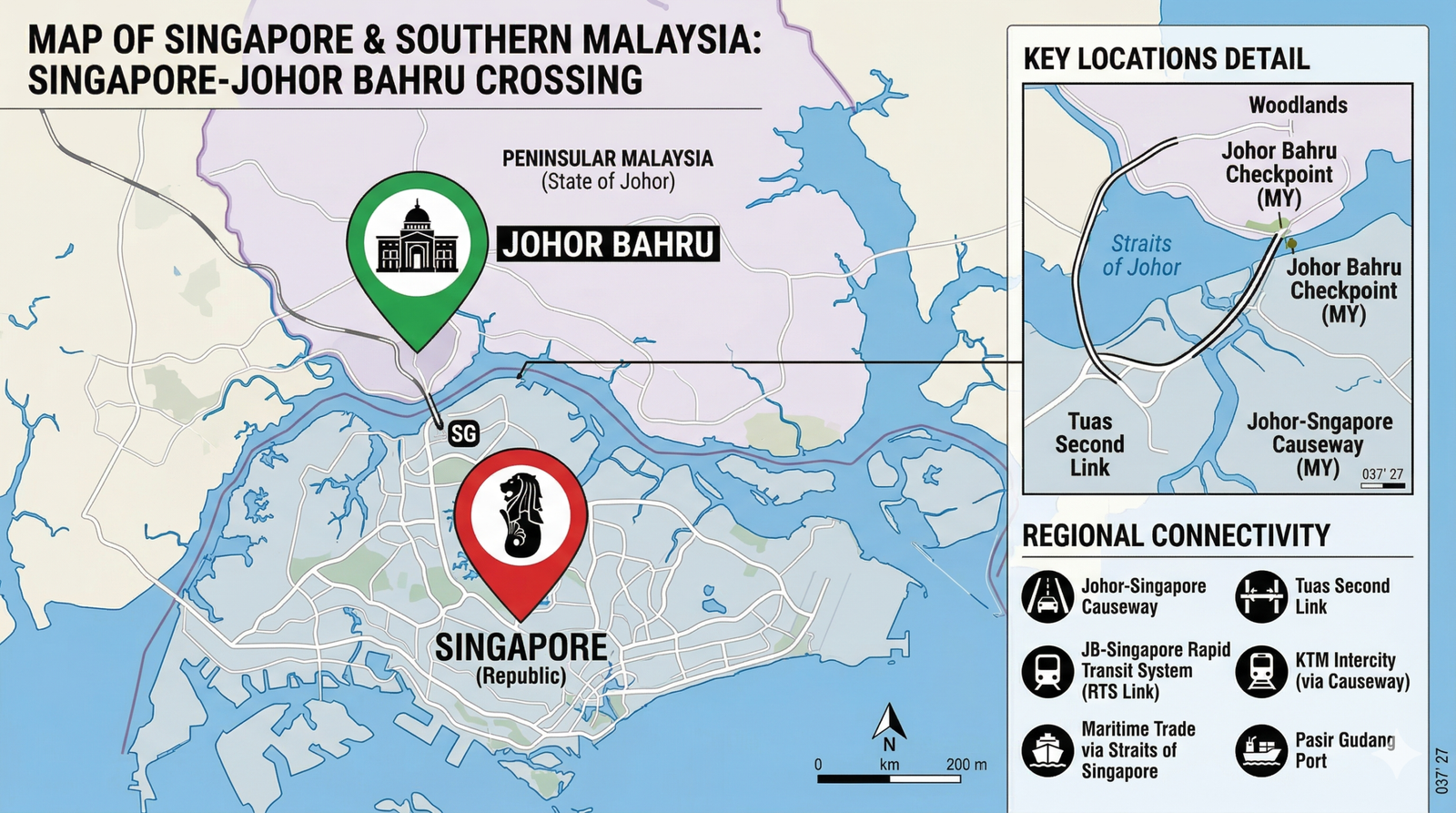
Travelling between the island and the mainland of Malaysia involves passing through one of the busiest land crossings in the world. The Woodlands Checkpoint serves as the primary link for thousands of travellers daily, ensuring a steady flow of people and goods across the historic Causeway. You will find a massive facility designed to manage everything from public buses and private cars to the nostalgic KTM shuttle train that makes the short trip to Johor Bahru. The area is currently undergoing a significant expansion to increase its capacity and ensure that crossing the border remains a smooth and organised experience for the modern traveller.
The Future of Connection: The RTS Link
Beyond the existing Causeway, a new era of travel is being built to bring the two countries even closer together. Singapore and Johor are currently constructing the Rapid Transit System (RTS) Link, a high volume light rail connection that will transform how people move across the border.
-
Incredible Speed: Once completed, the RTS will be able to carry up to ten thousand passengers per hour in each direction, with a travel time of only about five minutes between the two stations.
-
One Stop Clearing: The system features a co located immigration concept, meaning you will complete both Singapore and Malaysia exit and entry procedures at your point of departure. This allows you to simply hop off the train and head straight into the city without any further checks.
For the modern visitor, the RTS Link represents a future where a trip to Johor for dinner or shopping is as easy as a commute across town. It is the newest thread in the strong bond between these two neighbours, making the journey faster and more comfortable than ever before.
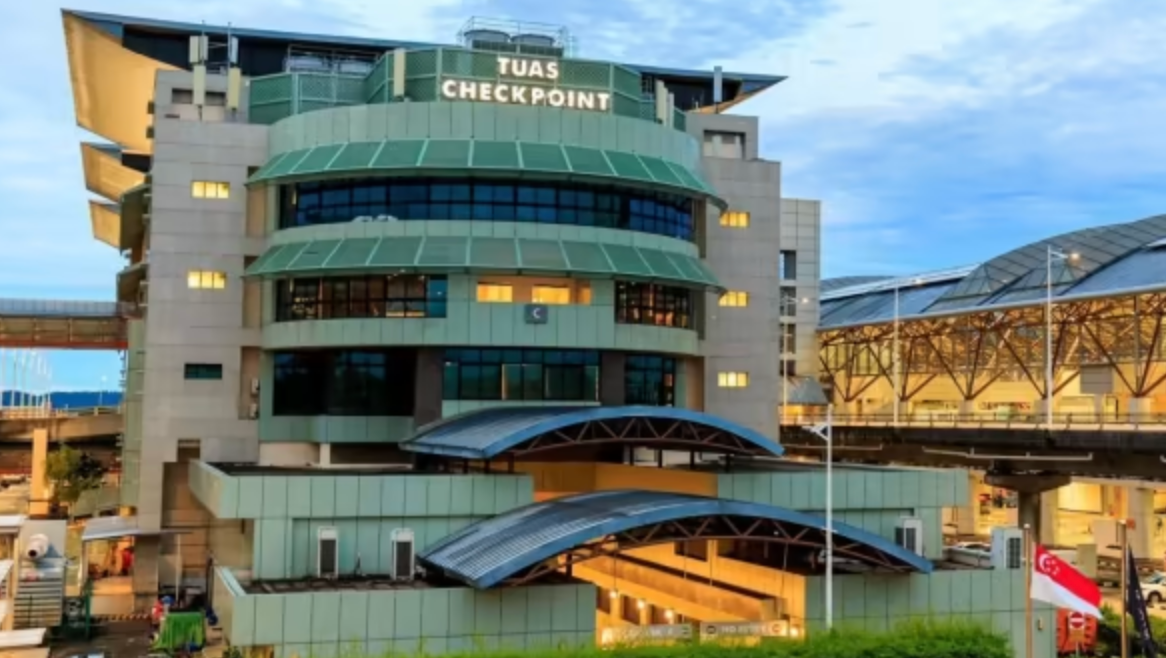
The Western Gateway: Tuas Checkpoint
Travelling between the island and the industrial heart of Johor involves passing through the second land link located at the western tip of Singapore. The Tuas Checkpoint serves as a vital connection for travellers looking to avoid the city centre congestion of the main Causeway. You will find a sprawling and modern facility that caters specifically to heavy vehicles, long distance buses, and private cars heading towards the newer developments in Malaysia. The crossing is part of the Tuas Second Link, a dual three lane bridge that offers a faster and more direct route for those travelling towards Legoland Malaysia or the coastal areas of western Johor.
The Future of Connection: Tuas Expansion
Just like its counterpart in the north, the western gateway is evolving to meet the needs of a growing number of commuters and tourists. The area surrounding the checkpoint is a hub of massive infrastructure projects designed to make cross border travel even more efficient.
-
Strategic Integration: The checkpoint is being closely integrated with the upcoming Tuas Port and the Tuas West Extension of the train network. This allows for a more seamless transition between various modes of transport, ensuring that goods and people move with minimal delay.
-
Modern Clearing Systems: New automated lanes and biometrics are being introduced to speed up the immigration process. This system features advanced technology that allows travellers to clear customs more quickly, reducing the time spent in queues during peak holiday periods and weekends.
For the modern visitor, Tuas Checkpoint represents a spacious and efficient alternative for entering Malaysia. It is the preferred choice for those planning a road trip along the scenic coastal roads or visiting the various theme parks and shopping outlets located just across the bridge, making the start of your journey as smooth as possible.
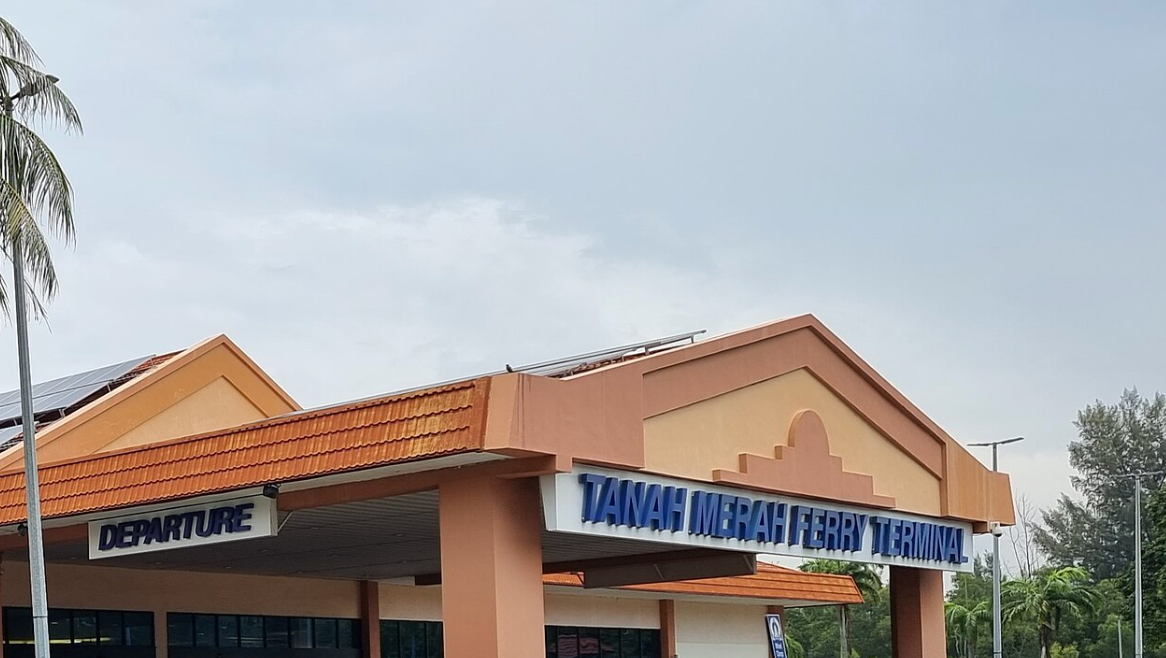
The Eastern Sea Gateway: Tanah Merah Ferry Terminal
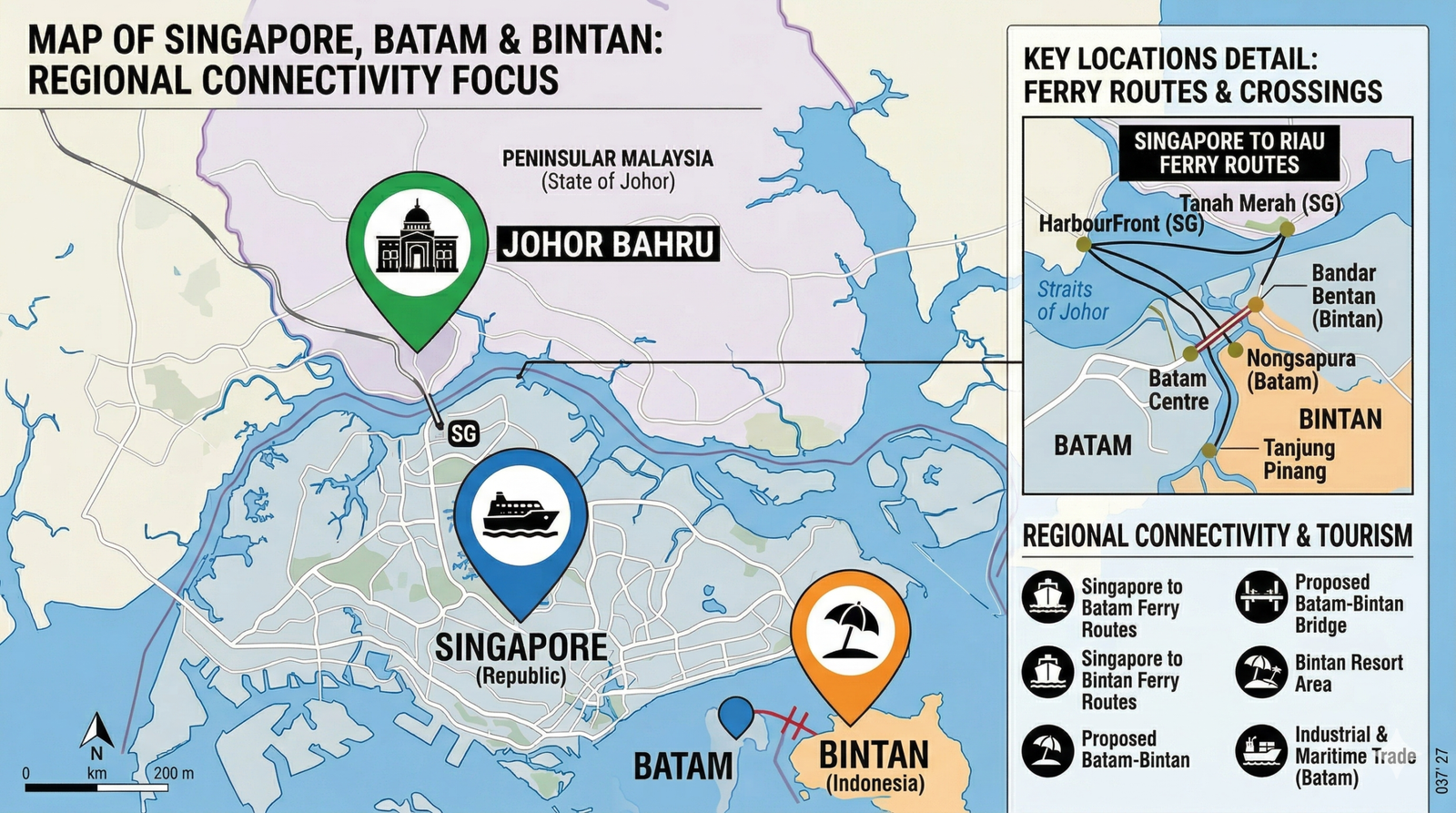
Travelling between the island and the popular resort destinations of Indonesia involves passing through the primary sea link located on the eastern coast of Singapore. The Tanah Merah Ferry Terminal serves as a vital hub for travellers looking for a quick tropical getaway. You will find a well equipped facility that handles thousands of passengers heading towards the beautiful beaches and golf courses of Bintan and Batam. The terminal is conveniently located near Changi Airport, making it an ideal transit point for international visitors who wish to combine a city stay with a relaxing island retreat.
The Future of Connection: Terminal Upgrades
The eastern gateway is currently undergoing significant enhancements to improve the passenger experience and handle the increasing demand for regional sea travel. The area is being transformed into a more modern and comfortable environment for every visitor.
-
Automated Immigration: The terminal is adopting the latest automated clearance systems to ensure that moving through the departure and arrival halls is a fast and organised process. This allows you to spend less time in queues and more time enjoying your journey across the water.
-
Seamless Transfers: Improved transport links are being developed to better connect the terminal with the rest of the island. The system features enhanced bus services and future rail connections that will make the trip from the city centre or the airport even more convenient for those carrying heavy luggage.
For the modern visitor, Tanah Merah Ferry Terminal represents the starting point of a refreshing seaside adventure. It is the preferred choice for those seeking a direct path to the luxury resorts and water sports of the Riau Islands, ensuring that your holiday begins with total ease and comfort.
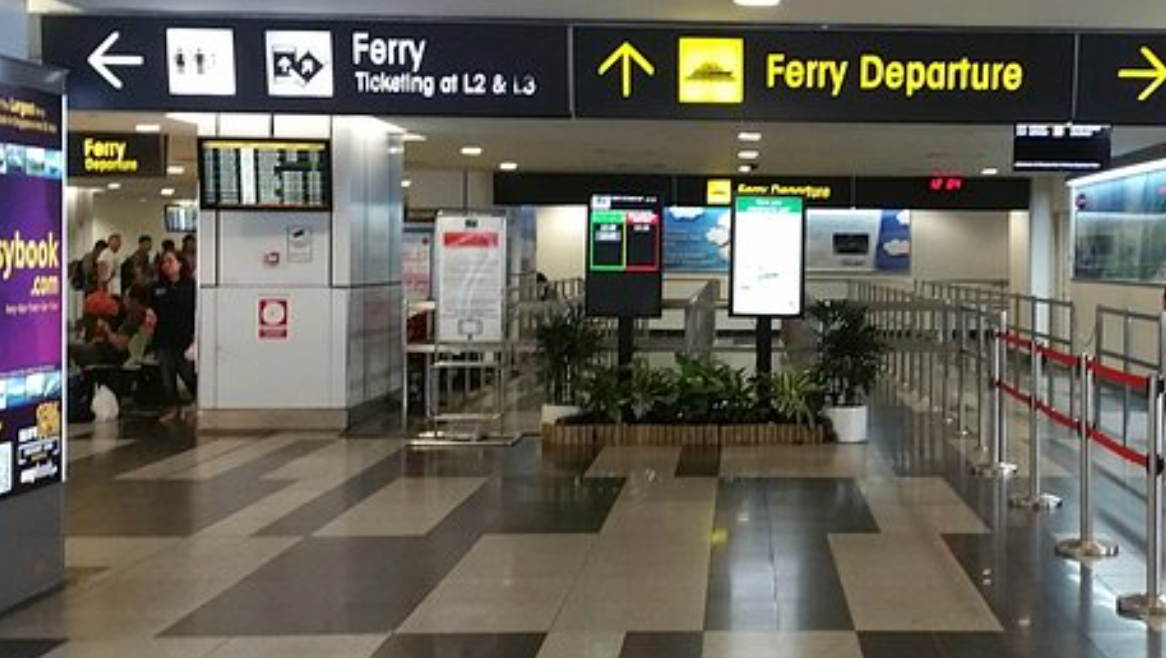
The Southern Sea Gateway: HarbourFront Ferry Terminal
Travelling between the island and the nearby Indonesian islands involves passing through the busiest maritime hub located at the southern tip of Singapore. The HarbourFront Ferry Terminal serves as a vital link for thousands of commuters and holidaymakers daily, providing a direct connection to various ports in Batam and Karimun. You will find a bustling facility integrated within a major shopping and lifestyle mall, allowing you to enjoy a meal or do some last minute shopping before your departure. The terminal is perfectly positioned for those who wish to explore the nearby Sentosa Island or take in the scenic views of the harbour while waiting for their ferry.
The Hub of Voyages: Singapore Cruise Centre
Sharing the same strategic location is the Singapore Cruise Centre, which serves as a premier gateway for international cruise liners and regional ferry services. This facility is a key part of the maritime landscape, welcoming travellers from all over the world.
-
International Connectivity: The centre features dedicated berths for massive cruise ships that sail to various destinations across South East Asia and beyond. This allows you to transition seamlessly from a flight at Changi Airport to a luxury voyage on the open seas.
-
Efficient Transit: The terminal uses advanced automated systems and clear signage to ensure that every passenger can move through immigration and security with total ease. The system is designed to handle large crowds during peak travel seasons while maintaining a high level of comfort and organisation.
For the modern visitor, the HarbourFront Ferry Terminal and Singapore Cruise Centre represent a gateway to adventure and relaxation. It is the preferred choice for those seeking a quick weekend escape to the Riau Islands or a grand maritime journey, ensuring that your transition from land to sea is a smooth and enjoyable experience.
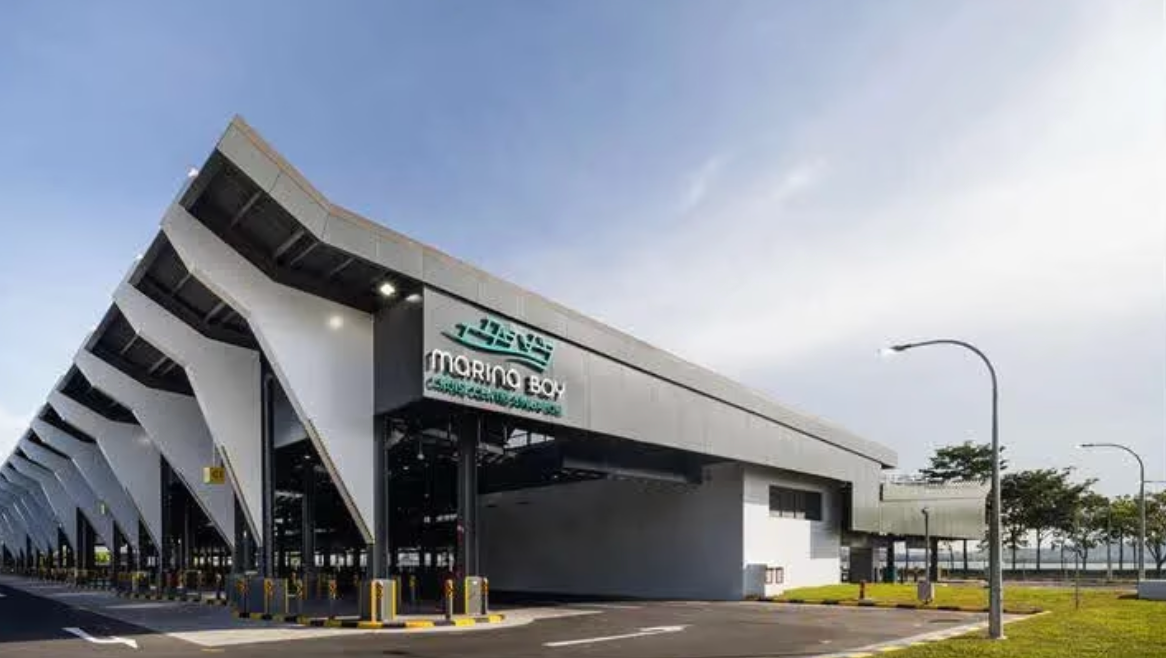
The Architectural Gateway: Marina Bay Cruise Centre
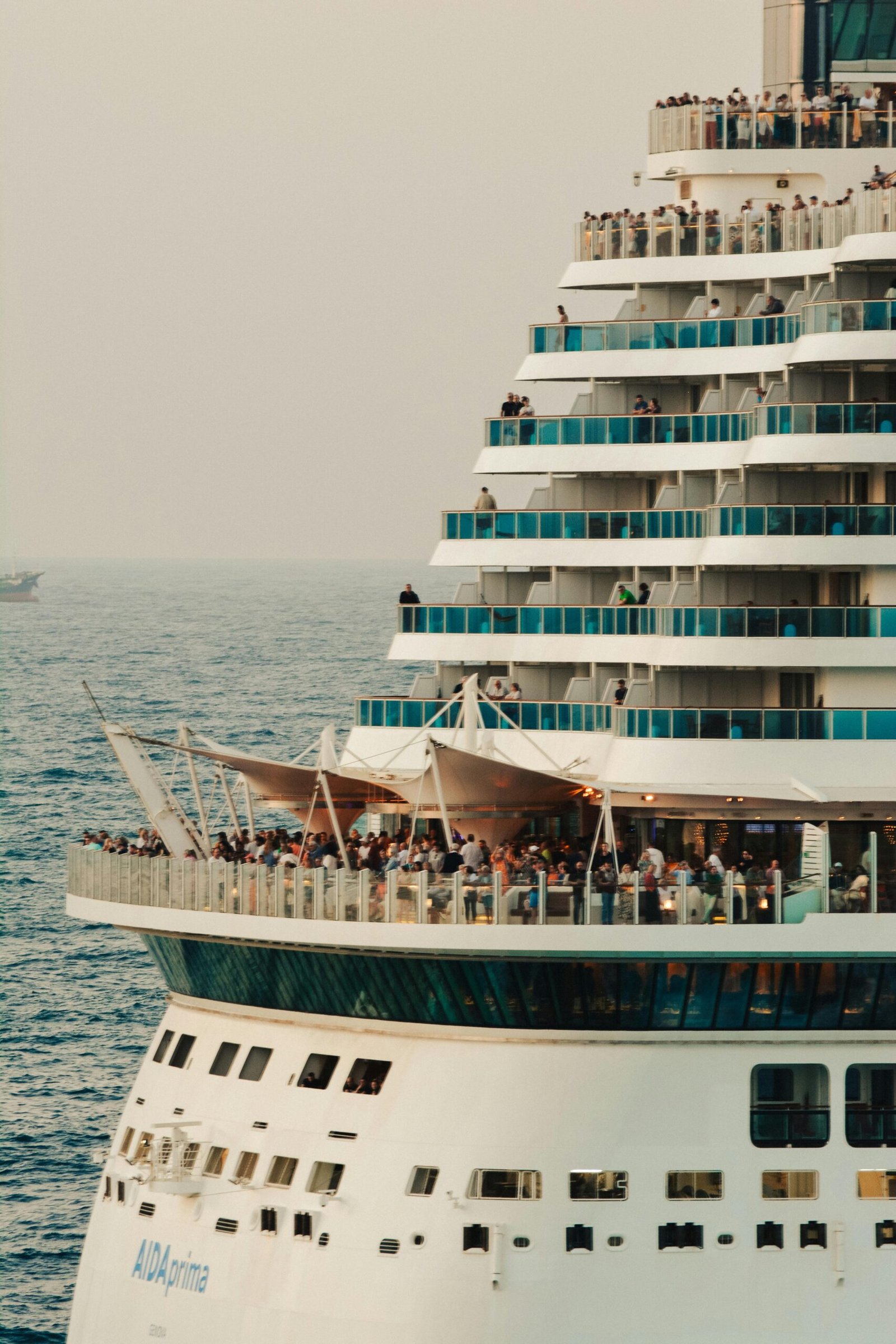
Travelling between the island and the deep blue waters of the world involves passing through the most iconic maritime facility located at the heart of the southern waterfront. The Marina Bay Cruise Centre serves as a specialized terminal designed to accommodate the largest and most luxurious cruise ships currently in service. You will find a striking building with a unique wavy roof that mimics the breaking waves of the ocean, making it a modern landmark on the Singapore skyline. The terminal is perfectly positioned near the financial district and the Gardens by the Bay, offering a grand and impressive welcome for international travellers arriving by sea.
The Future of Ocean Travel: High Volume Efficiency
The southern gateway is built to provide a world class experience for passengers who are embarking on grand voyages across the globe. The facility is designed to move large numbers of people through its halls with maximum speed and comfort.
-
Advanced Logistics: The terminal features massive arrival and departure halls that are equipped with the latest technology to handle up to sixty eight hundred passengers at any one time. This ensures that the baggage handling and security processes remain a smooth and organised part of your holiday.
-
Deep Water Capability: Unlike older ports, this centre features a deep water berth that allows the newest generation of mega cruise ships to dock right at the edge of the city. The system allows you to step off your ship and be within reach of the famous Marina Bay Sands and the city centre within minutes.
For the modern visitor, the Marina Bay Cruise Centre represents the ultimate in maritime luxury and convenience. It is the preferred choice for those starting an international cruise or arriving in Singapore for a city stay, ensuring that your journey begins or ends with a spectacular view of the modern metropolis.
Batam
Malacca
Johor Bahru
Kuala Lumpur
Tanjong Pinang
Penang
The Nearby Island Escape: Batam
Travelling between Singapore and the Riau Islands involves completing immigration procedures at the ferry terminals, with a short sea journey that takes only about forty five to sixty minutes. The primary mode of transport is the high speed ferry, which departs regularly from HarbourFront or Tanah Merah. You will find that Batam is a popular weekend getaway for those looking to enjoy affordable shopping, relaxing spas, and fresh seafood in a laid back tropical setting.
One Place to Visit
The Barelang Bridge: This iconic chain of six bridges is a magnificent piece of architecture that connects several islands. It is the best spot to capture a sunset photo and see the local coastal life.
Three Foods to Eat
-
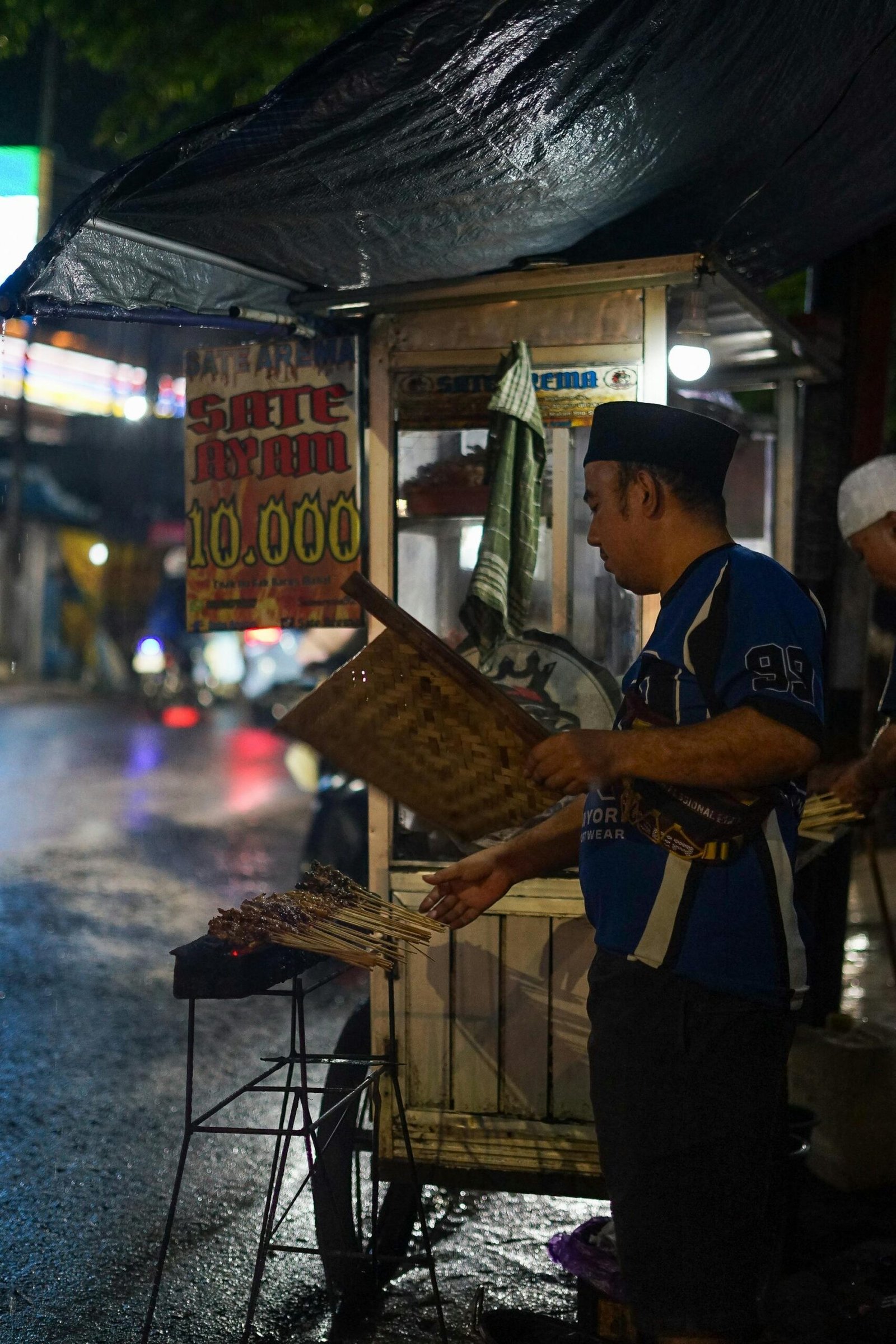
Sate Padang: Unlike the sweet peanut version found in Singapore, this dish features skewers of tender beef or offal served with a thick and spicy yellow gravy. The sauce is made from a rich blend of turmeric, galangal, and rice flour, creating a savoury curry like texture that is unique to West Sumatran cuisine.
-
Ayam Penyet: While available elsewhere, the Batam version features incredibly tender smashed fried chicken topped with a generous amount of crispy bits and a very spicy sambal.
-
Ikan Bakar: This is fresh charcoal grilled fish marinated in a rich blend of sweet soy sauce and local spices. It is often served with a side of raw vegetables and extra sambal for a smoky and savoury experience.
The experience is often topped off with a visit to the Nagoya Satay Club near the Nagoya Hill mall, where you can watch vendors grill hundreds of skewers over open flames in the evening breeze, making Batam an easy and rewarding side trip from Singapore.
The Southern Gateway: Johor Bahru
Travelling between the island and the Malaysian city of Johor Bahru involves completing immigration procedures at the busy Woodlands or Tuas checkpoints, with a short journey across the water that takes only about thirty to sixty minutes depending on traffic. The primary mode of transport is by public bus, private car, or the quick KTM shuttle train. You will find that Johor Bahru is a favourite destination for those looking to enjoy diverse shopping malls, affordable heritage food, and vibrant night markets in a lively urban setting.
One Place to Visit
Tan Hiok Nee Heritage Street: This historical area is the oldest neighbourhood in the city and serves as a living museum of Johor Bahru’s multicultural past. It is the best spot to admire beautifully restored shophouses, explore traditional Chinese clan houses, and enjoy the nostalgic atmosphere of a district that has remained the cultural heart of the city for over a century.
Three Foods to Eat
-
Kam Long Curry Fish Head: This legendary stall is famous for its bubbling claypots filled with tender fish head and a rich, spicy gravy. The sauce is packed with vegetables like okra and cabbage, making it a hearty and comforting meal that locals and visitors queue for daily.
-
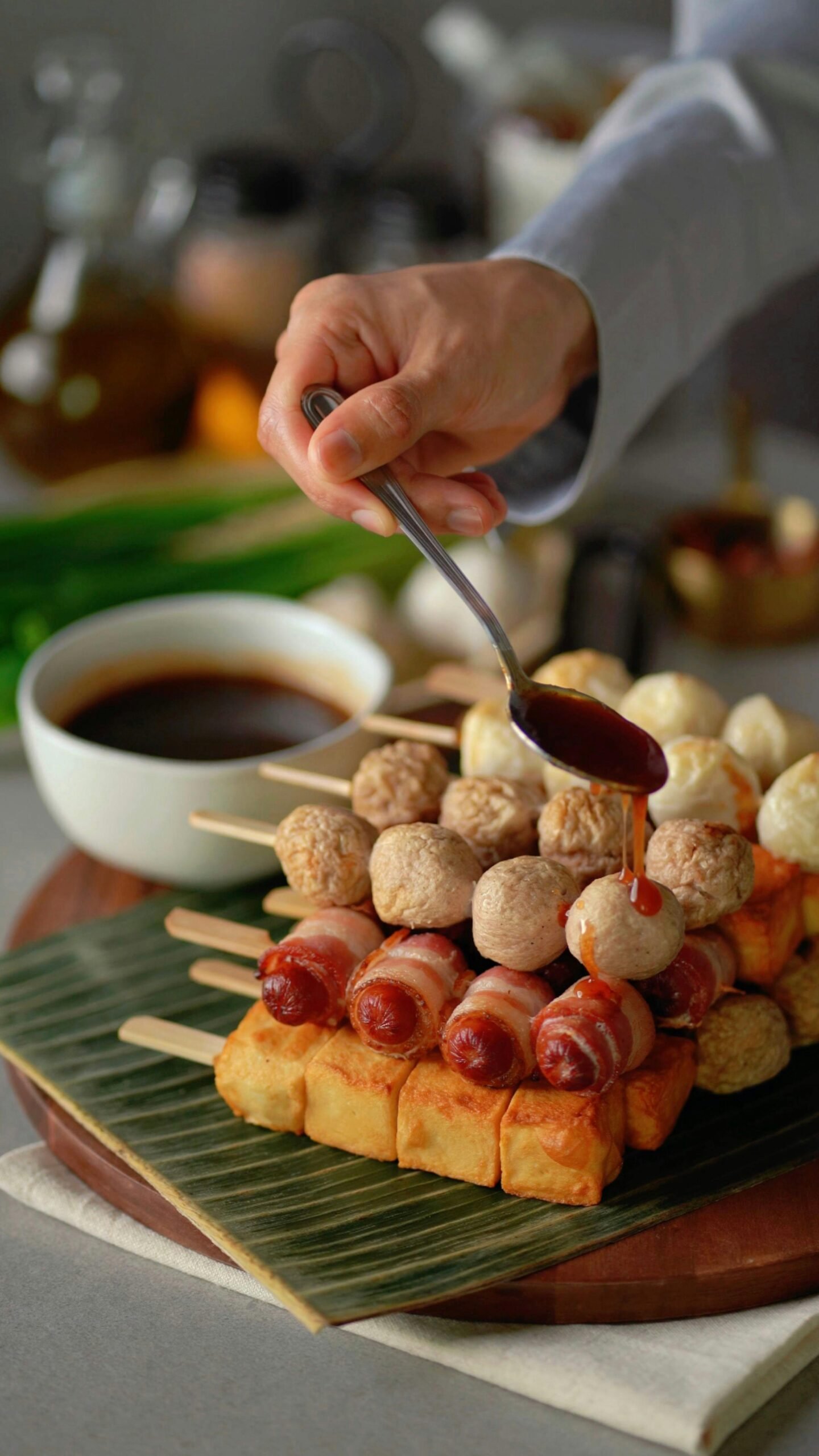
Lok Lok: This is a fun and social street food experience where various skewers of meat, seafood, and vegetables are dipped into boiling water or deep fried. You can choose from a wide array of dipping sauces, ranging from sweet peanut to extra spicy chilli, usually served from colourful mobile food trucks.
-
Kway Teow Kia: This iconic Johor dish consists of thin and silky flat rice noodles served in a dark, savoury herbal broth. It is traditionally accompanied by a variety of braised side dishes such as pig skin, duck meat, and marinated eggs that have been simmered for hours in a rich soy based soup.
The experience is often topped off with a visit to the famous Hiap Joo Bakery located right on the heritage street, where you can buy fresh banana cake baked in a traditional wood fired oven, making Johor Bahru a convenient and exciting side trip from Singapore.
The Cultural Capital: Tanjung Pinang
Travelling between the island and the city of Tanjung Pinang involves completing immigration procedures at the ferry terminals, with a sea journey that takes about ninety minutes to two hours. The primary mode of transport is the high speed ferry, which departs from the Tanah Merah Ferry Terminal in Singapore. You will find that Tanjung Pinang, located on the south of Bintan Island, offers a more authentic Indonesian experience compared to the tourist resorts, filled with bustling street markets, historic stilt houses, and a rich maritime heritage.
One Place to Visit
Penyengat Island: This historic island is just a short boat ride from the main pier and was once the seat of the Riau Lingga Sultanate. It is the best spot to explore the bright yellow Grand Mosque of Sultan Riau and see the ancient ruins of palaces and forts that tell the story of the Malay kings who once ruled the region.
Three Foods to Eat
-
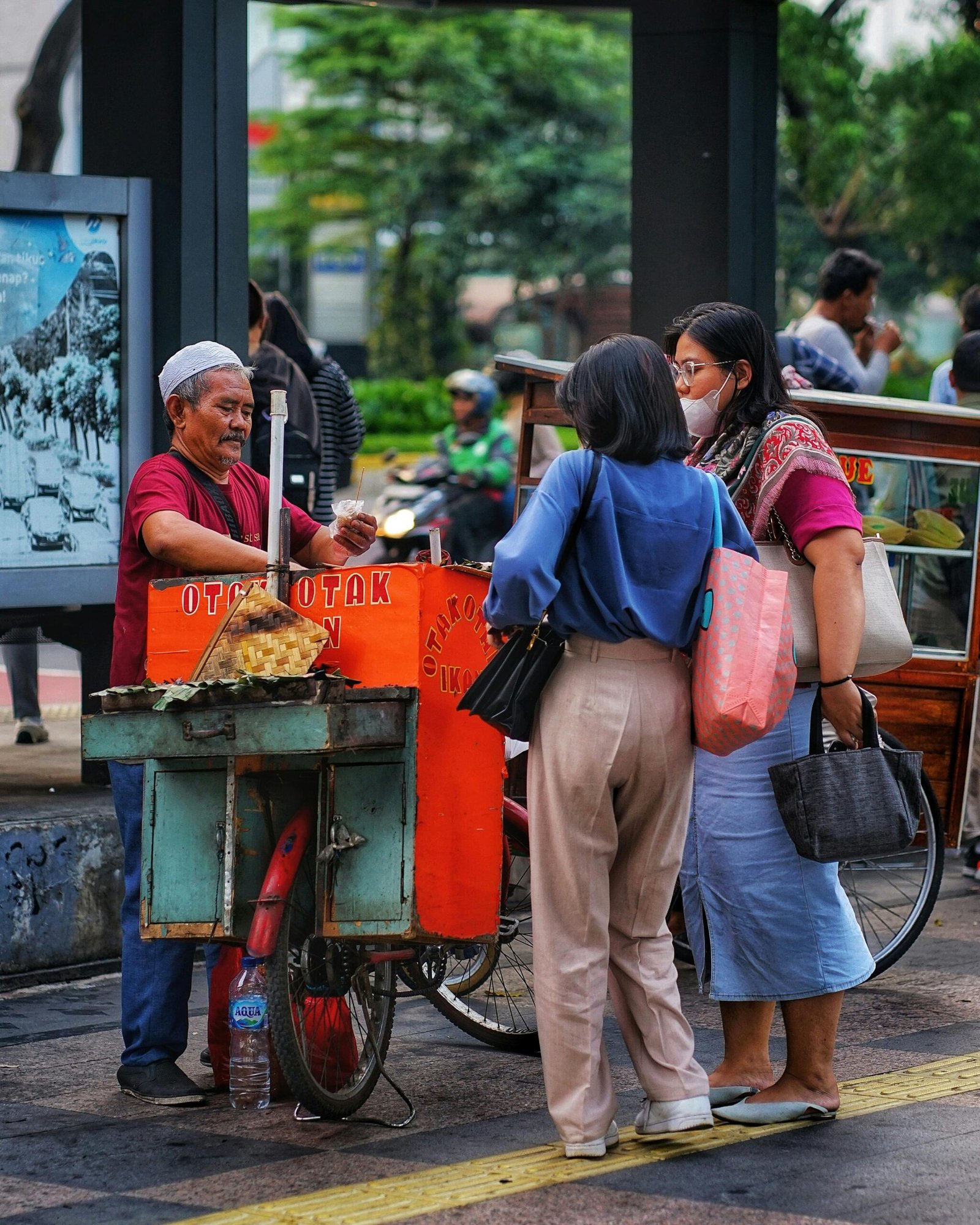
Otak Otak: This is the most famous snack in the region, consisting of fresh fish paste mixed with aromatic spices and coconut milk. The mixture is wrapped in a leaf and grilled over charcoal to create a smoky and savoury treat that is sold at almost every street corner.
-
Siput Gong Gong: These local sea snails are a true speciality of the Riau Archipelago. They are simply steamed to preserve their natural sweetness and served with a signature spicy and tangy dipping sauce that makes them a favourite appetiser for seafood lovers.
-
Bak Kut Teh: This beloved Chinese dish features succulent pork ribs simmered in a complex broth of herbs and spices. In Tanjung Pinang, the soup is often dark and intensely savoury, served with a bowl of fluffy white rice and crispy dough fritters that are perfect for soaking up the rich and peppery liquid.
The experience is often topped off with a walk along the vibrant waterfront as the sun sets over the harbour, making Tanjung Pinang a fascinating and culturally rich side trip from Singapore.
The Historic Gem: Malacca
Travelling between the island and the historic city of Malacca involves completing immigration procedures at the busy land checkpoints, with a road journey that takes about three to four hours. The primary mode of transport is by express bus or private car, departing from various terminals across Singapore. You will find that Malacca is a UNESCO World Heritage site that offers a captivating journey through time, where the unique blend of Portuguese, Dutch, British, and Peranakan influences is visible in every ancient brick and narrow alleyway.
One Place to Visit
The A Famosa Fort: This crumbling white gateway is one of the oldest surviving European architectural remains in South East Asia. It is the best spot to begin a walking tour of the historic district, allowing you to climb St Paul’s Hill for a view of the city or stroll down to the iconic red buildings of the Dutch Square nearby.
Three Foods to Eat
-
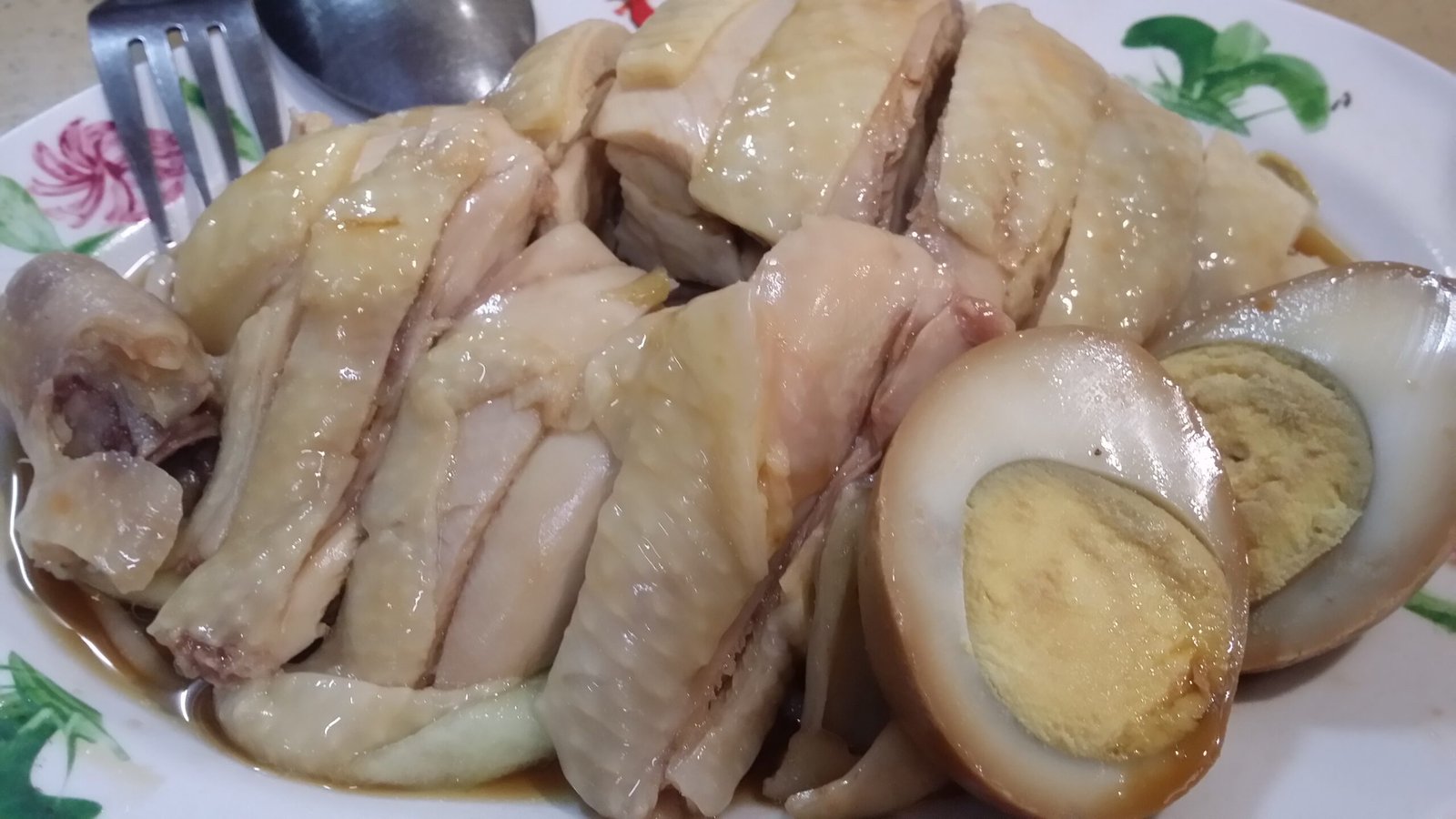
Chicken Rice Balls: This is the most famous variation of the classic dish found only in Malacca. The fragrant ginger and garlic rice is rolled into small, tight spheres and served alongside tender poached chicken, making it a unique and convenient way to enjoy a traditional favourite.
-
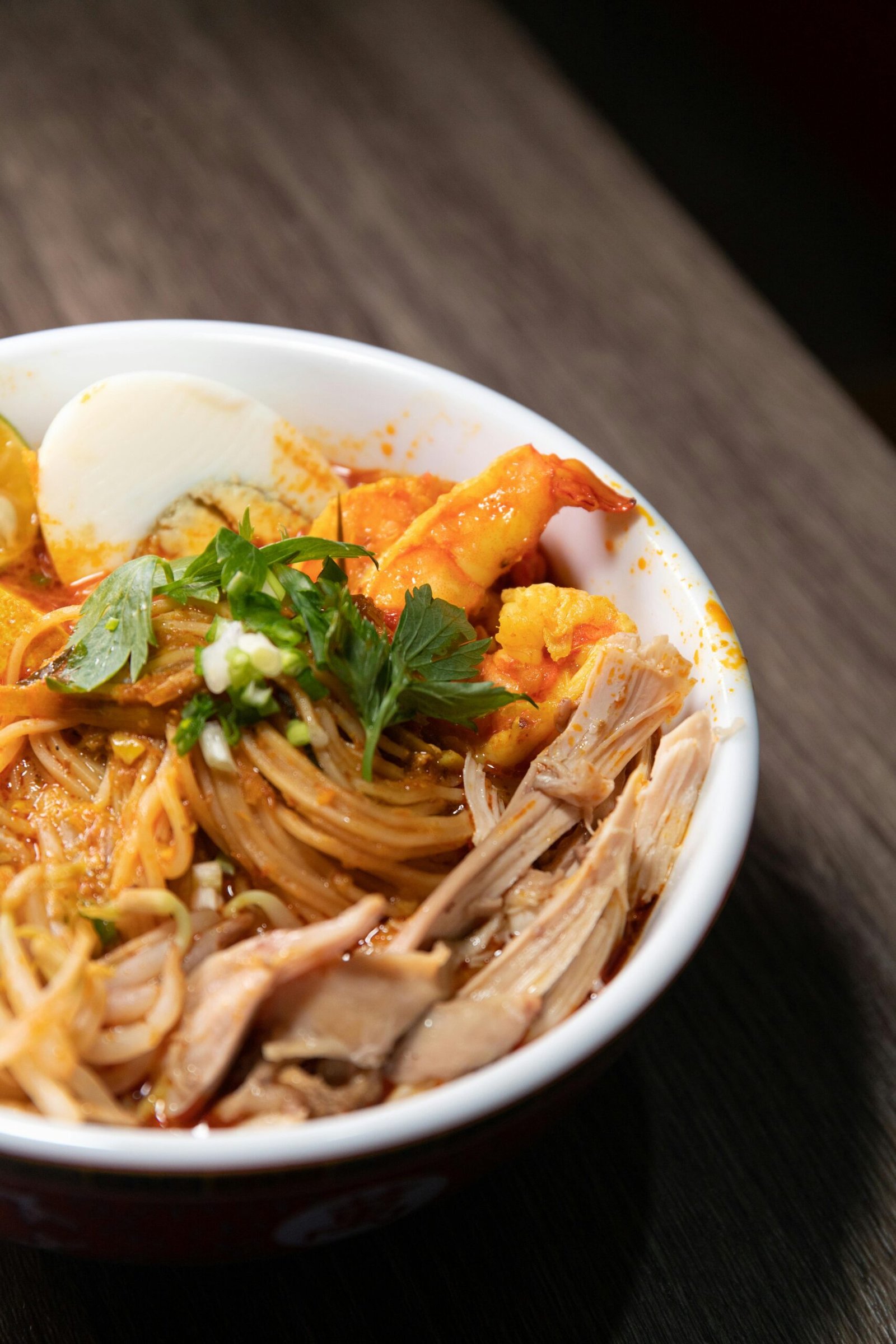
Nyonya Laksa: This rich and creamy coconut milk based noodle soup is a staple of the local Peranakan culture. It is packed with a complex spice paste and topped with fresh prawns, fish cakes, and cockles, offering a perfect balance of spicy, sour, and savoury flavours in every bowl.
-
Satay Celup: This is a popular communal dining experience where skewers of raw meat, vegetables, and seafood are dipped into a large pot of bubbling, aromatic peanut sauce. The gravy is thick and rich with various spices, creating a deeply satisfying meal that is a must try for any food lover visiting the city.
The experience is often topped off with a night walk along the Jonker Street Night Market, where you can find everything from local crafts to delicious street snacks amidst the glow of lanterns and heritage shophouses, making Malacca a deeply rewarding and historic side trip from Singapore.
The Vibrant Capital: Kuala Lumpur
Travelling between the island and the bustling capital of Malaysia involves completing immigration procedures at the land checkpoints or the airport, with a journey that takes about five to six hours by bus or just under an hour by plane. The primary mode of transport for travellers is the express bus from various Singapore hubs or a short flight into Kuala Lumpur International Airport. You will find that Kuala Lumpur is a dynamic metropolis where soaring skyscrapers stand alongside colonial landmarks and bustling street markets, offering a perfect mix of modern luxury and traditional charm.
One Place to Visit
The Petronas Twin Towers: These iconic silver structures were once the tallest buildings in the world and remain the most famous landmark in Malaysia. It is the best spot to admire the city skyline from the double decker skybridge or to enjoy the colourful fountain light show at the park located right at the base of the towers.
Three Foods to Eat
-
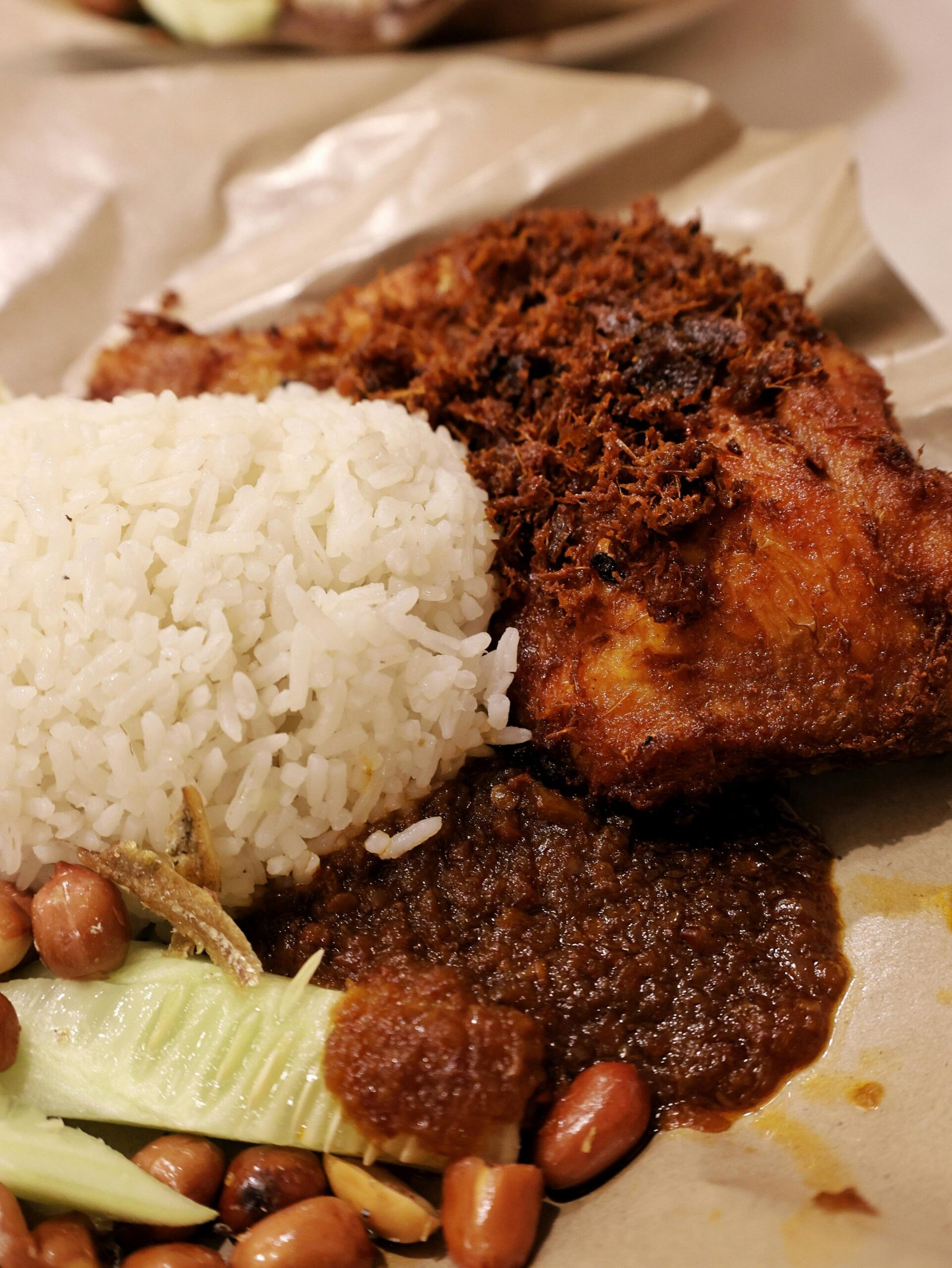
Nasi Lemak: Often called the national dish of Malaysia, this fragrant meal consists of rice cooked in coconut milk and pandan leaf. It is served with a spicy sambal, crunchy anchovies, toasted peanuts, and a hard boiled egg, creating a perfect balance of textures and flavours that is enjoyed at any time of day.
-
Bak Kut Teh: This herbal pork rib soup is a beloved staple in the city, especially in the Klang Valley region. The meat is simmered for hours in a dark and fragrant broth made from a secret blend of Chinese medicinal herbs, resulting in a deeply savoury and comforting dish that is best enjoyed with fried dough fritters.
-
Hokkien Mee: This Kuala Lumpur speciality features thick yellow noodles braised in a rich and dark soy sauce over a high heat charcoal fire. The dish is packed with prawns, pork slices, and crispy lard bits, giving it a smoky aroma and a bold savoury taste that is a favourite among the late night food crowd.
The experience is often topped off with a visit to a rooftop bar or a walk through the lively Bukit Bintang district, where the bright lights and endless shopping options capture the true energy of the city, making Kuala Lumpur an essential and exciting side trip from Singapore.
The Pearl of the Orient: Penang
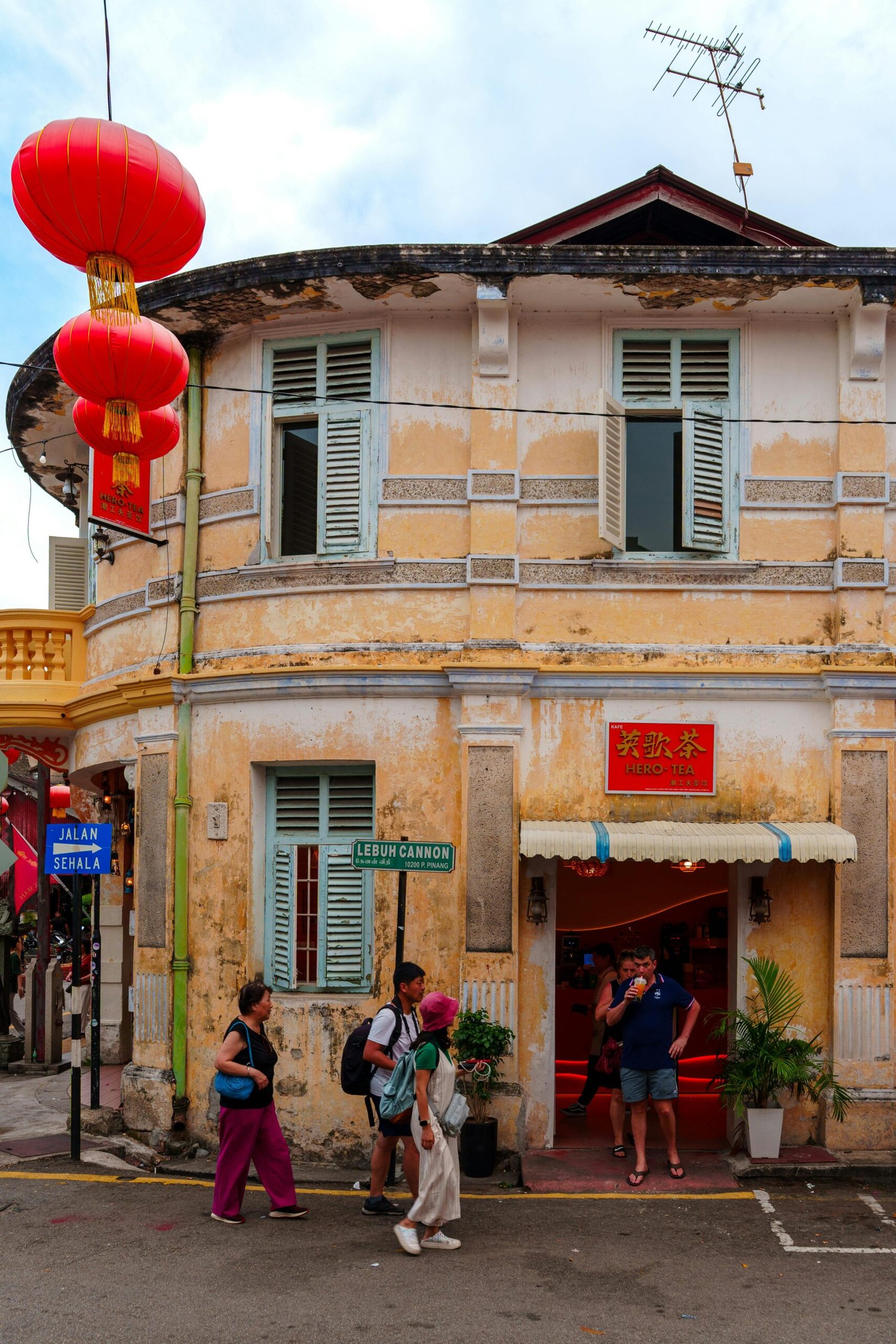
Travelling between the island and the historic state of Penang involves completing immigration procedures at the land checkpoints or the airport, with a journey that takes about ten hours by bus or just over an hour by plane. The primary mode of transport for travellers is a short flight into Penang International Airport or a long distance express bus that crosses the iconic Penang Bridge. You will find that Penang is a world famous food capital and a UNESCO World Heritage site, where the narrow streets of George Town are filled with stunning street art, grand clan houses, and a rich multicultural history.
One Place to Visit
Kek Lok Si Temple: This magnificent Buddhist temple is one of the largest and finest in South East Asia, built into a hillside overlooking the sea. It is the best spot to admire the massive bronze statue of the Goddess of Mercy and explore the striking seven storey pagoda that blends Chinese, Thai, and Burmese architectural styles.
Three Foods to Eat
-
Char Kway Teow: This is perhaps the most famous dish in Penang, consisting of flat rice noodles stir fried over an intense charcoal fire. The noodles are tossed with fresh prawns, cockles, bean sprouts, and chives, resulting in a smoky aroma and a perfectly balanced savoury flavour that defines the local street food scene.
-
Penang Assam Laksa: Unlike the creamy versions found elsewhere, this unique noodle soup features a tangy and spicy fish broth made from mackerel and tamarind. It is garnished with shredded fish, pineapple, cucumber, and a thick sweet prawn paste, offering a bright and refreshing burst of flavour in every spoonful.
-
Cendol: This classic chilled dessert is the perfect way to beat the tropical heat. It features a mound of shaved ice drenched in rich coconut milk and dark palm sugar, topped with green rice flour jellies and creamy red beans for a sweet and satisfying finish.
The experience is often topped off with a wander through the Clan Jetties at sunset, where you can see traditional wooden houses built on stilts over the water, making Penang a deeply nostalgic and delicious side trip from Singapore.
Singapore is cooler than you think.
Singapore is made up of the Central Area, which has Orchard, Bugis, and Chinatown; the North East, famous for Ang Mo Kio and Toa Payoh; and the West, including Jurong and the Science Centre. Bedok and Katong are home to some of the most vibrant coastal residential hubs in the East. While many international travellers mainly visit Orchard and the Central Area, the real treasures are often found in the lively local neighbourhoods like Tiong Bahru, which is famous for its old housing estates and charming heritage cafes.
Get the latest updates from our travel guide and discover exciting destinations and useful tips at notitia.in.
We are eager to discover and share insights about diverse cities around the world with even more destinations on the horizon.